
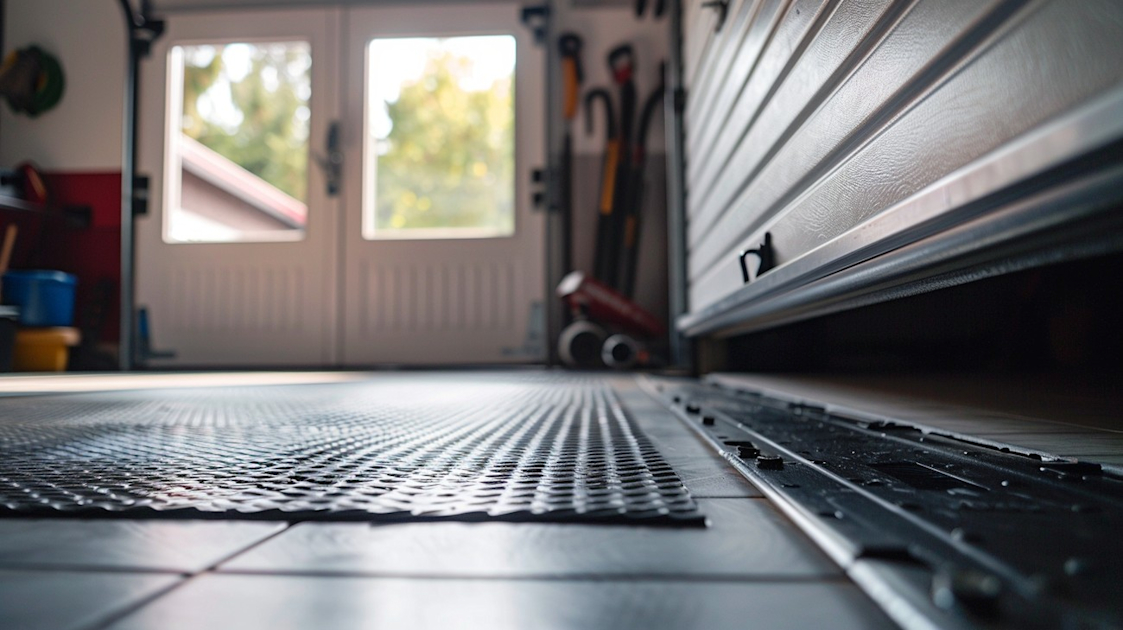


Garage doors are an integral part of homes, providing critical security, aesthetic appeal, and convenience. However, like any other mechanical system, they can develop problems over time. Understanding common garage door issues can help homeowners anticipate maintenance needs, perform DIY fixes, or know when to call in a professional. In this article, we'll delve into the most common garage door problems and how to address them effectively.
Understanding Garage Door Mechanics
Garage doors are complex systems composed of numerous parts working in harmony. These components include springs, cables, rollers, tracks, and motors for automatic doors. Each part has a specific role, and a malfunction in one can affect the entire system. An understanding of these mechanics is crucial for troubleshooting.
Noisy Garage Door Operations
Identifying Noise Sources
A noisy garage door can be irritating, especially if your garage is adjacent to bedrooms or living spaces. The sound may originate from:
- Worn Out Rollers: Metal rollers moving over a metal track can cause friction and noise if not lubricated regularly.
- Loose Hardware: Vibrations from the door’s operation can loosen nuts and bolts.
- Lack of Lubrication: Lubrication minimizes friction among moving parts.
Fixing Noisy Doors
Consider these steps to quiet down your garage door:
- Tighten any loose screws, nuts, or bolts.
- Apply a garage door lubricant to the hinges, springs, rollers, and tracks.
- Replace metal rollers with quieter nylon options for a long-term solution.
The Door Won’t Close Completely
Sensor Issues
Garage doors are equipped with photo eye sensors to prevent accidents. Misaligned or dirty sensors often prevent the door from closing completely. Clean the sensor lenses with a soft cloth and realign them if necessary. Ensure they face each other directly, with no obstructions in the path.
Track Misalignment
Tracks guide the door’s movement. If they are bent or misaligned, the door may not close properly. Check for gaps or bends along the tracks and adjust them accordingly. Use a rubber mallet to gently correct bends, or contact a professional for severe misalignments.
Garage Door Doesn’t Open
Power Supply Problems
For automatic doors, a lack of response may be linked to power supply issues. Check if:
- The garage door opener is plugged in.
- The circuit breaker has tripped.
- The remote control’s batteries need replacing.
Broken Springs
Springs bear the brunt of the door’s weight. When broken, they prevent the door from opening. If you hear a loud bang, it could be a spring snapping. This repair requires professional expertise due to the potential danger involved.
The Door Opens Unevenly
Cable Concerns
Cables ensure the balance and synchronization of the door’s opening and closing. A frayed or broken cable can lead to uneven operation. Inspect cables for wear and tear and replace them if damaged. Again, due to the high tension involved, it is wise to call a professional for this repair.
Remote Control or Keypad Failures
Troubleshooting Controls
Remote control or keypad failures can stem from simple issues like battery depletion. However, if new batteries don’t resolve the problem, try the following:
- Reprogram the remote control or keypad according to the manufacturer’s instructions.
- Inspect the antenna of the garage door opener for damage or obstruction.
Weather-Related Issues
Cold Weather Problems
Temperature fluctuations can cause parts of your garage door system to contract or expand, leading to functionality issues. In cold weather, the door may become stiff or the lubricant may thicken. Make sure to use a lubricant suitable for colder temperatures and regularly maintain all moving parts.
Keeping the Door Sealed
Check the weatherstripping around the door. Cracked or missing seals can allow cold, debris, and pests into your garage. Replace weatherstripping when needed to maintain energy efficiency and protection.
Safety Tip: Regular Inspection and Maintenance
Routine inspection is vital to the longevity and safety of your garage door system. Dedicate time every few months to:
- Inspect and lubricate all moving parts.
- Test the door’s balance. Disconnect the opener and manually lift the door halfway. It should remain in place if properly balanced.
- Examine cables and springs for wear.
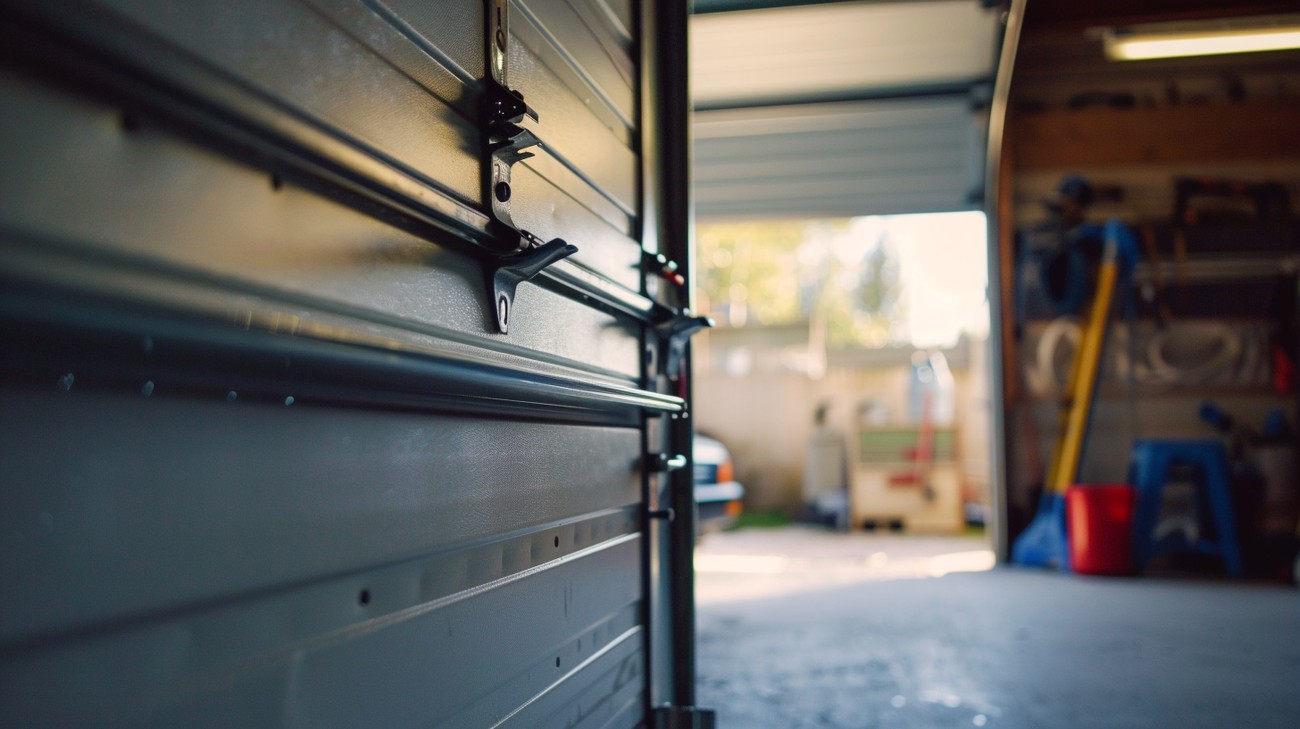
Common Garage Door Problems
Why won’t my garage door open?
If your garage door won’t open, it could be due to several issues. The most common include a broken garage door spring, a malfunctioning garage door opener, or a disruption in the power supply. A broken spring is a frequent culprit, and this issue requires immediate attention because it can make the door too heavy to lift manually. Another possibility is that the remote control or wall switch isn’t working correctly. Check the batteries in your remote first. If the garage door still doesn’t open, inspect the opener’s power source to ensure it is functional.
What should I do if my garage door is making unusual noises?
Unusual noises from your garage door are often an early sign of underlying problems. If your garage door is squeaking or grinding, it may need lubrication or have worn-out components like rollers or hinges. Regular maintenance can prevent many common garage door issues. Apply a high-quality lubricant to the moving parts and carefully listen to pinpoint the source of the noise. If the problem persists, you might need to consult a professional to inspect the door for adjustment or replacement of parts.
How can I fix my garage door when it’s off balance?
A garage door that appears off balance is a significant safety concern and should be addressed immediately. This situation often arises from torsion or extension springs becoming uneven, or from cables that have slipped. If you notice that your garage door opens unevenly or appears sagging, you may need to adjust the spring tension, which can be dangerous without the proper tools and knowledge. It’s best to contact a professional who can assess and rectify the imbalance safely.
Why does my garage door reverse before hitting the ground?
This issue is typically related to a problem with the garage door opener’s sensitivity settings or a misalignment of the photo eye sensors. The sensors are located near the base of the tracks and must be aligned for the door to close properly. Dust and dirt can obstruct these sensors, causing the door to reverse. Try cleaning the sensors with a soft cloth and ensure they are correctly aligned. If adjusting the sensors doesn’t solve the problem, you may need to adjust the opener’s sensitivity settings.
My garage door opens slightly and then stops. What could be the issue?
If your garage door begins to open and halts suddenly, there could be several reasons. One common issue is an obstruction in the door tracks. Check the tracks for any debris or small objects that might impede the door’s movement. Another potential problem is that the door opener’s travel adjustments need fine-tuning. Dust off and lubricate the tracks, then check the travel adjustment settings on the opener to ensure they’re correct. If uncertain, consulting the opener’s manual or a professional technician can provide clarity.
How do I fix a garage door remote control that doesn’t work?
A non-functional garage door remote control is a frequent problem. First, replace the batteries as they might be depleted. If the issue persists, try reprogramming the remote to the opener. Instructions for this process are typically found in the garage door opener’s manual. Also, verify that you’re within the proper range when using the remote. If these steps don’t resolve the issue, there might be a problem with the remote itself or with the opener’s receiver, both of which might need professional assessment.
What causes a garage door to open by itself?
A garage door that opens by itself can be perplexing and concerning. Several potential reasons include issues with the remote control, frequency interference, or a malfunctioning garage door opener. Ensure that no neighbors or nearby devices are operating on the same frequency. Inspect the remote control to confirm it’s not stuck or occasionally transmitting signals. If these aren’t the causes, consider having a professional inspect the opener for potential electrical issues or replace misbehaving components.
How can I tell if my garage door springs are broken?
Diagnosing broken garage door springs is crucial for both door function and safety. Symptoms of broken springs include the door being excessively heavy to lift, a loud bang from the garage, or visible gaps in the springs. Broken torsion springs can pose severe hazards and typically require specialized repair skills. If you suspect a broken spring, avoid attempting to open the door and contact a professional to handle the replacement safely.
What are the reasons for a garage door getting stuck halfway?
If your garage door gets stuck halfway, it might be due to track obstructions, sensor issues, or a malfunction in the opener itself. Check to ensure the tracks are free of debris and the rollers are functioning smoothly. Misalignment of photo eye sensors, which prevent the door from closing fully, can cause the door to halt halfway. Additionally, the opener may have limits that need adjustment. Troubleshooting should start with checking all these elements and consulting a specialist if the problem persists.
Troubleshooting Guide
1. Garage Door Won’t Open or Close
Symptoms: Press the remote or wall switch, but the door doesn’t move. You might hear the motor running without any action.
Likely Causes:
- Power source issues
- Misalignment of sensors
- Remote control malfunction
- Broken springs
Step-by-step Fixes:
- Check Power Source: Ensure the motor unit is plugged in and the circuit breaker is not tripped.
- Inspect Sensors: Look for obstructions or dirt on safety sensors and clean them. Make sure they’re aligned with each other.
- Remote Control: Replace batteries or try another remote if available.
- Manual Override: Engage the manual release cord to open or close the door manually.
When to Call a Professional: If the issue persists after checking these, or if you suspect a broken spring.
Prevention Tips: Regularly clean and align sensors, and replace remote batteries yearly.
2. Garage Door Reverses Before Closing Completely
Symptoms: The door goes down but reverses before touching the ground.
Likely Causes:
- Limit setting needs adjustment
- Dirty or misaligned sensors
- Obstacle in door’s path
Step-by-step Fixes:
- Limit Settings: Use a screwdriver to adjust the limit setting screw on the opener. Follow the manual for specific guidance.
- Sensor Maintenance: Ensure the sensor lenses are clean and properly aligned.
- Clear Pathway: Remove any potential obstacles from the door’s travel route.
When to Call a Professional: If adjustments don’t resolve the issue, this might indicate a deeper system malfunction.
Prevention Tips: Regularly check and clear the tracks of debris and check sensor alignment monthly.
3. Noisy Door Operation
Symptoms: Grinding, squeaking, or rattling noises during operation.
Likely Causes:
- Dry or worn-out rollers
- Poor lubrication
- Loose hardware
Step-by-step Fixes:
- Lubricate Moving Parts: Apply garage door lubricant to rollers, tracks, and hinges.
- Tighten Hardware: Use a wrench or socket set to tighten loose nuts, bolts, and screws.
- Inspect Rollers: Replace metal rollers with nylon ones if noise persists.
When to Call a Professional: Persistent noise after lubrication, or if you notice worn-out parts needing replacement.
Prevention Tips: Lubricate all moving parts twice a year and inspect the door for loose hardware monthly.
4. Door Moves Unevenly
Symptoms: The door seems to jerk or hesitate as it moves.
Likely Causes:
- Obstruction in tracks
- Uneven tension of springs or cables
- Damaged tracks or rollers
Step-by-step Fixes:
- Clean Tracks: Inspect and clean tracks using a soft cloth and solvent to remove dirt buildup.
- Visual Inspection: Check springs and cables for visible signs of damage.
- Alignment Check: Ensure tracks are well-secured and aligned.
When to Call a Professional: Difficulty adjusting tracks or noticing significant damage to springs or cables.
Prevention Tips: Clean tracks regularly and visually inspect the door hardware monthly.
5. Remote Control Doesn’t Work
Symptoms: Door doesn’t respond to remote control signals.
Likely Causes:
- Dead batteries
- Interference from nearby devices
- Out of range
Step-by-step Fixes:
- Replace Batteries: Open the remote, replace the batteries, and test the door.
- Reprogram Remote: Follow the manual to reprogram or reset the remote control settings.
- Eliminate Interference: Turn off nearby devices to check for interference. Move closer to the door and try again.
When to Call a Professional: After battery replacement and reprogramming, if the remote still doesn’t work.
Prevention Tips: Keep backup batteries available and update remote settings occasionally.
6. Door Drops Quickly
Symptoms: The door slams down quickly upon release.
Likely Causes:
- Broken springs
- Damaged cables
- Malfunctioning safety features
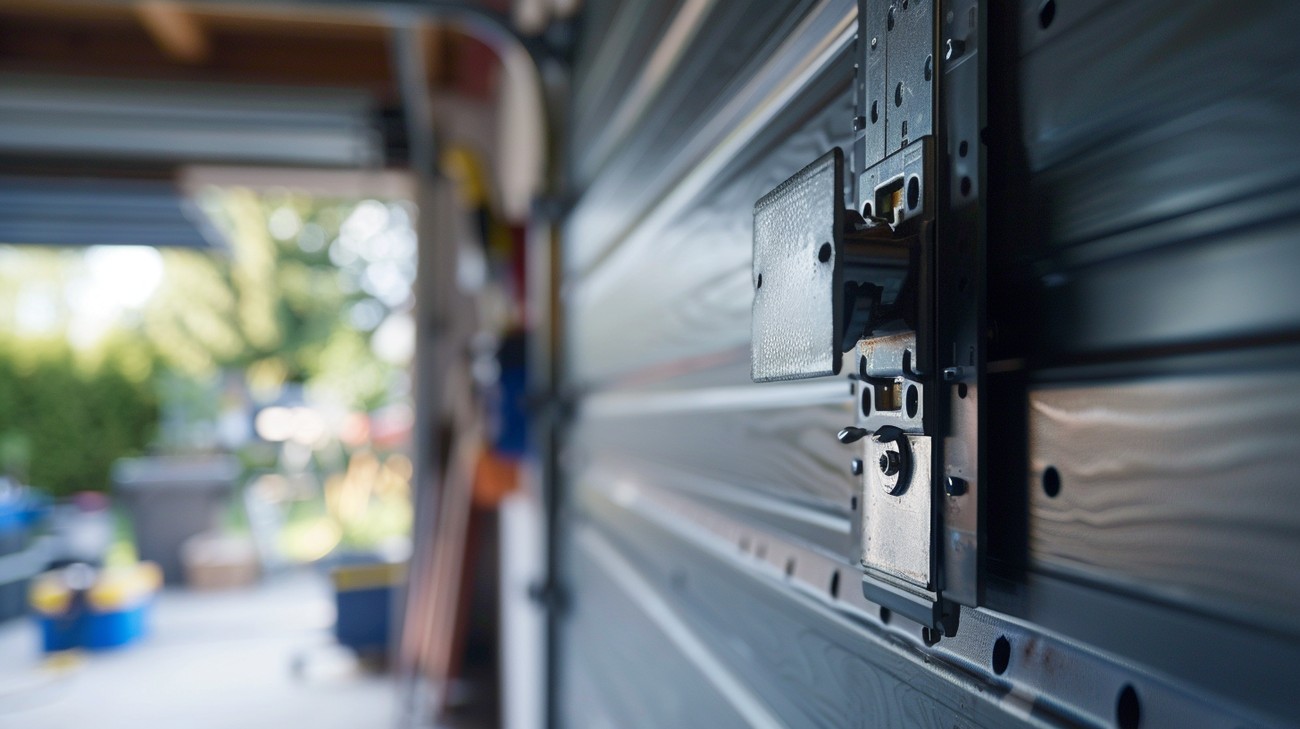
Final Thoughts
Identifying and addressing common garage door problems early can save you time, money, and frustration down the road. Whether it's a noisy opener, a misaligned track, or issues with the remote, being aware of these common challenges means you're better equipped to handle them before they escalate into bigger headaches.
If you're experiencing any issues with your garage door or just want to schedule routine maintenance, we at 1A Garage Doors are here to help. Serving homeowners in Sacramento, CA, we bring our expertise to every job, ensuring your garage door functions smoothly and reliably. Don’t hesitate to reach out for a consultation or request a free estimate—your satisfaction is our priority!


