Installing a garage door means removing the old door, setting the track and panels, then attaching the springs, cables and opener before testing the full cycle. The spring and opener step involves high tension and is not a safe do-it-yourself job.
What the installer does
This is a service overview. Removing the old door also involves stored spring tension and heavy sections; have a trained installer handle the full removal and installation.
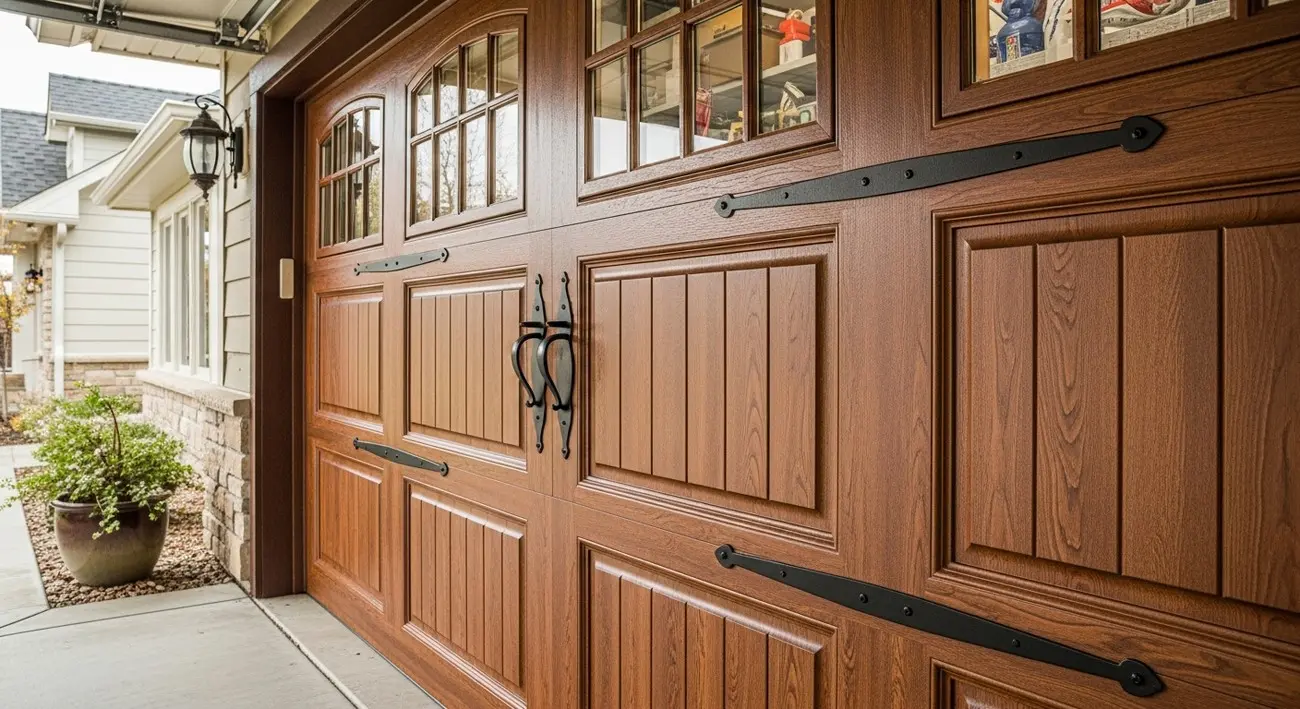
- Measure the opening and choose a door that fits it, including any windows or insulation options.
- Remove the old door and hardware, and check the frame and opening for damage.
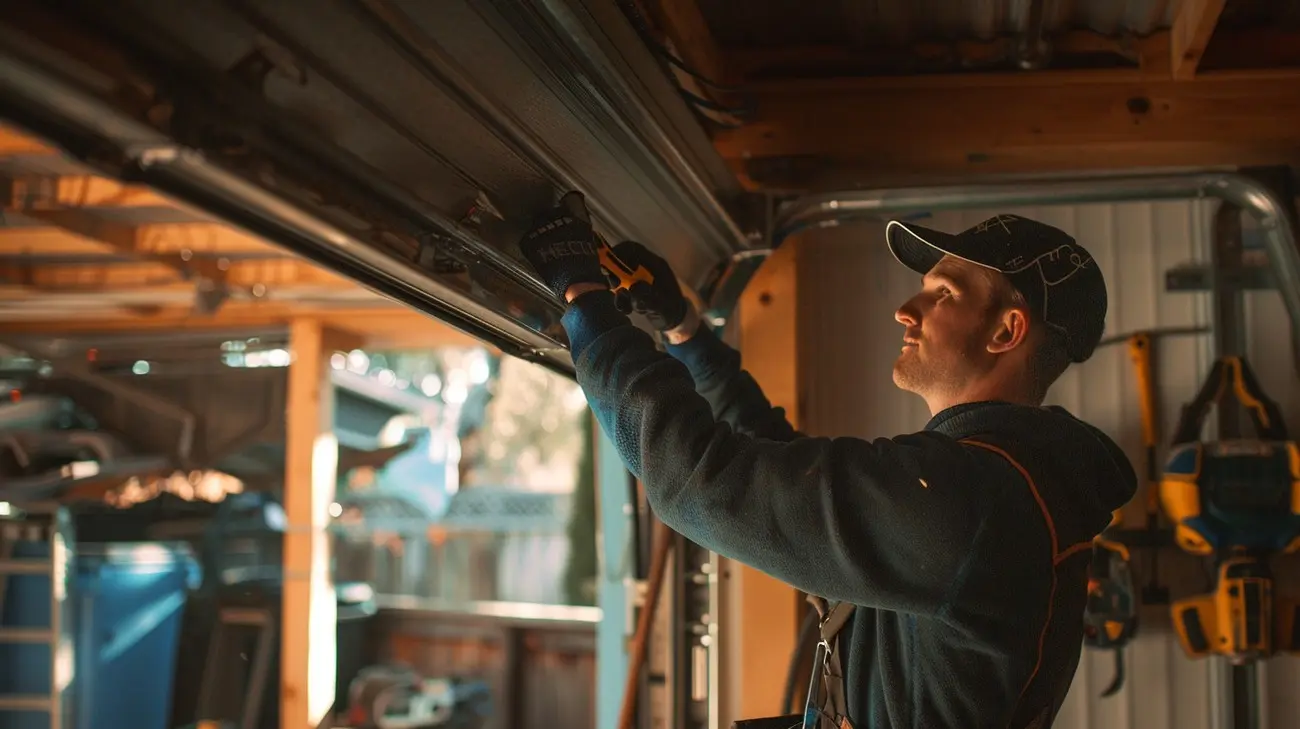
- Set the vertical and horizontal tracks and hang the door panels.
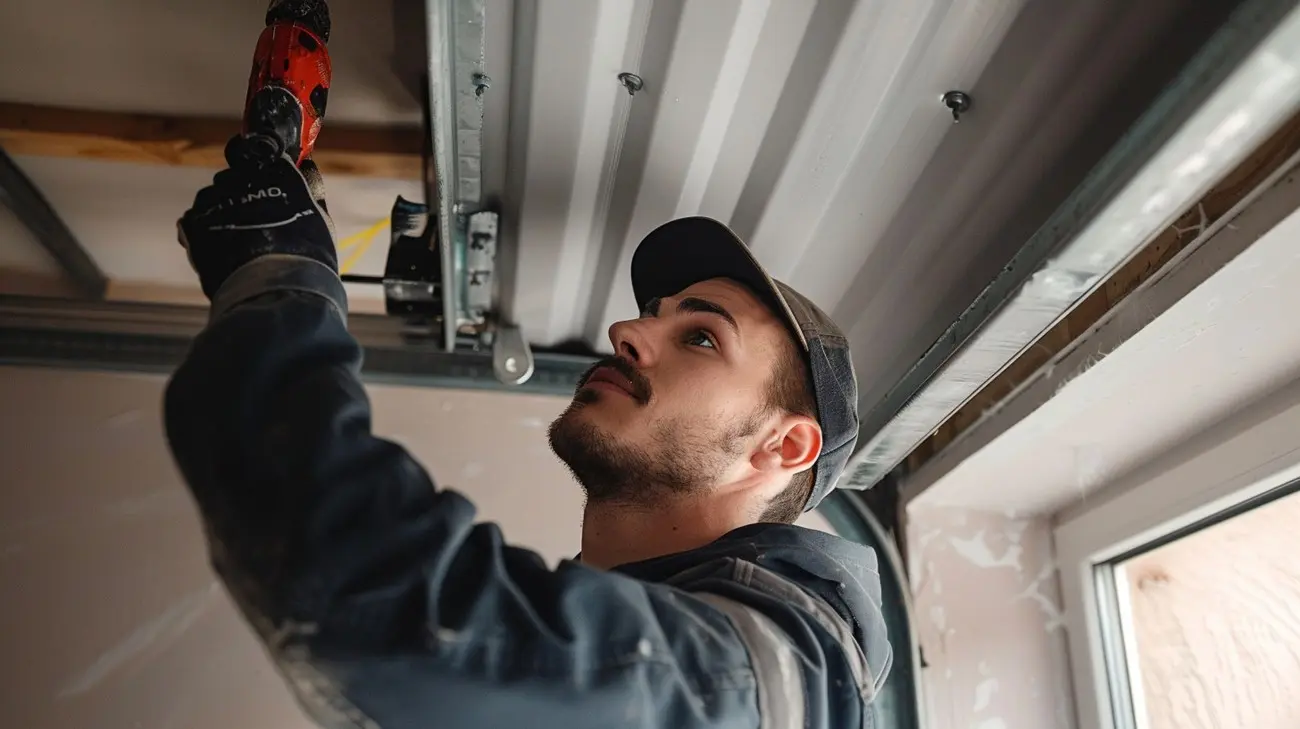
- Attach the springs, cables and opener, then balance the door and set the opener's force and travel limits.
- Run the door through a full cycle and test the safety reverse and sensors.
Why the spring and opener step is not a DIY job
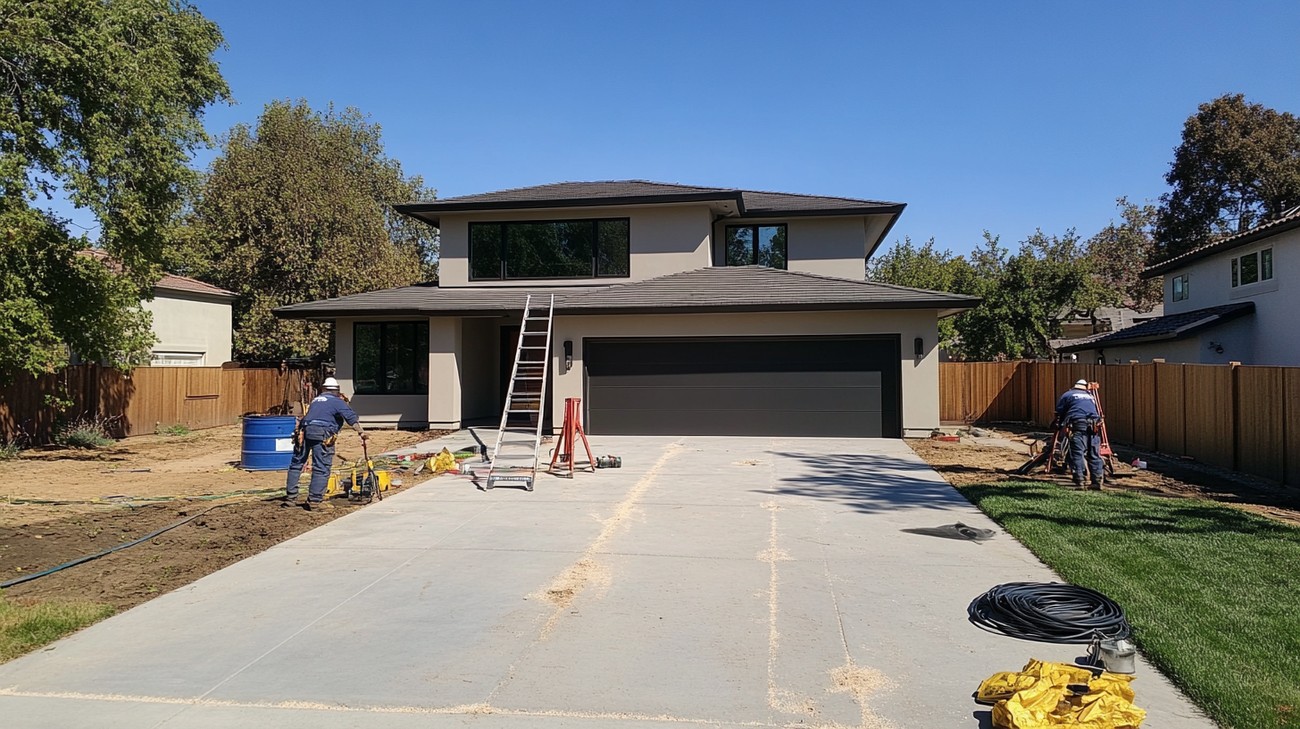
Torsion and extension springs hold the full weight of the door under high tension, and installing or adjusting them without the right training and tools can cause serious injury. This is the main reason most homeowners have a professional install the door rather than doing it themselves, along with setting the opener's safety reverse correctly.
What it costs
New garage door installations get a free, on-site estimate. See new garage door price for typical ranges by material.
Common questions
How long does professional installation take?
The door size, removal work and condition of the opening determine the schedule. Ask for a timeline after the on-site measurement.
How do I maintain a new door?
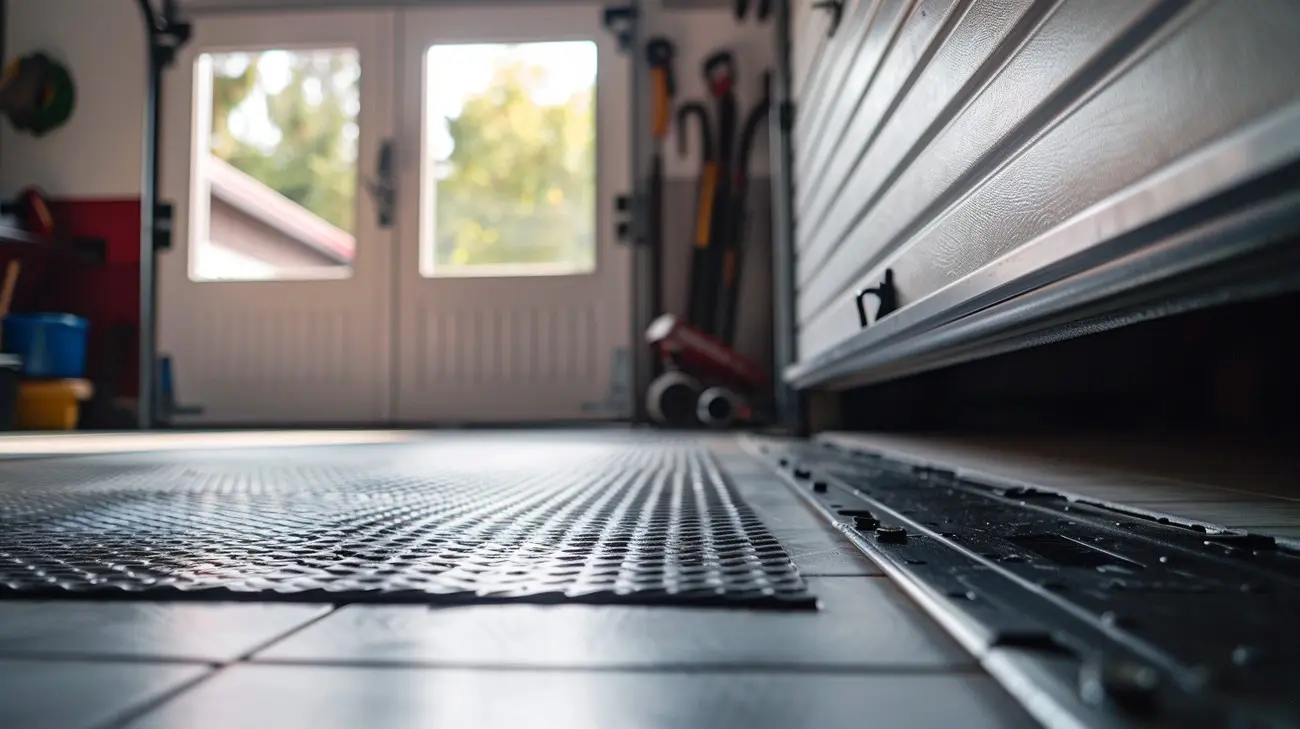
Keep an eye on the cables, rollers and springs, lubricate moving parts, keep the tracks clear, and check the weather seal. An annual professional check catches wear before it becomes a failure. See garage door tune-ups.

For a free estimate, call (916) 838-8182 or see garage door installation.


Share: