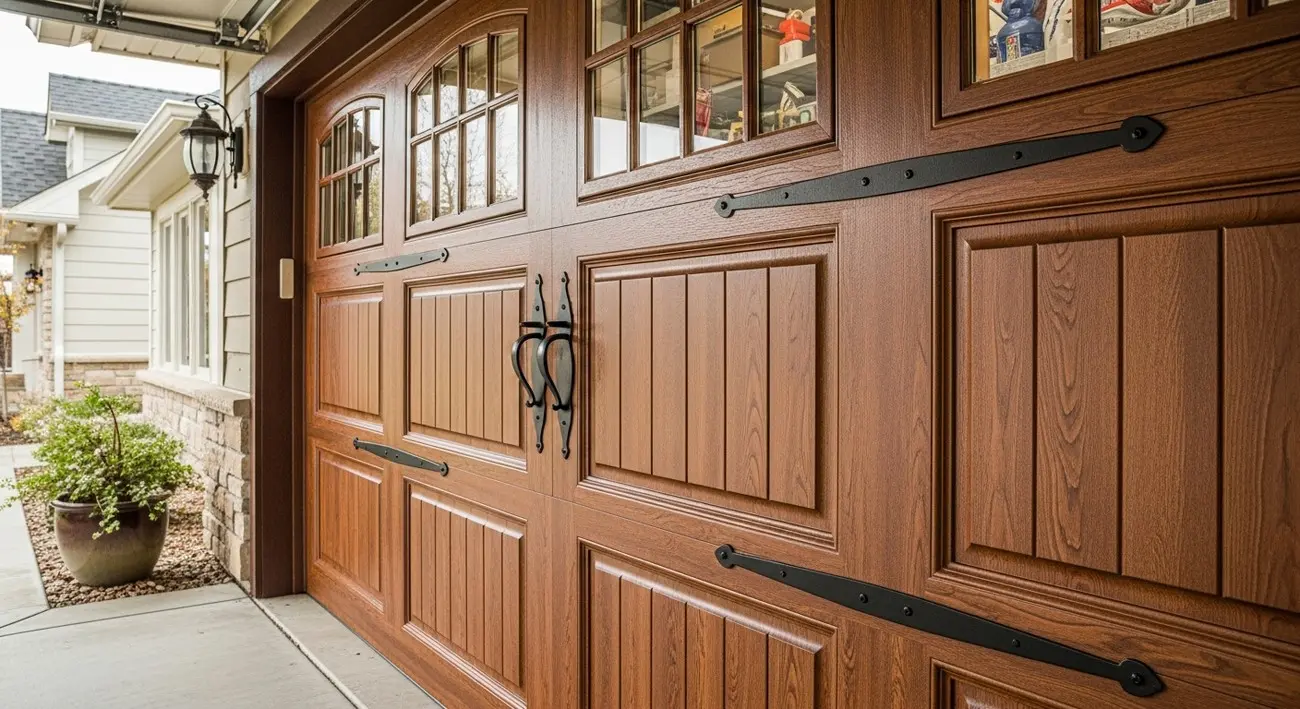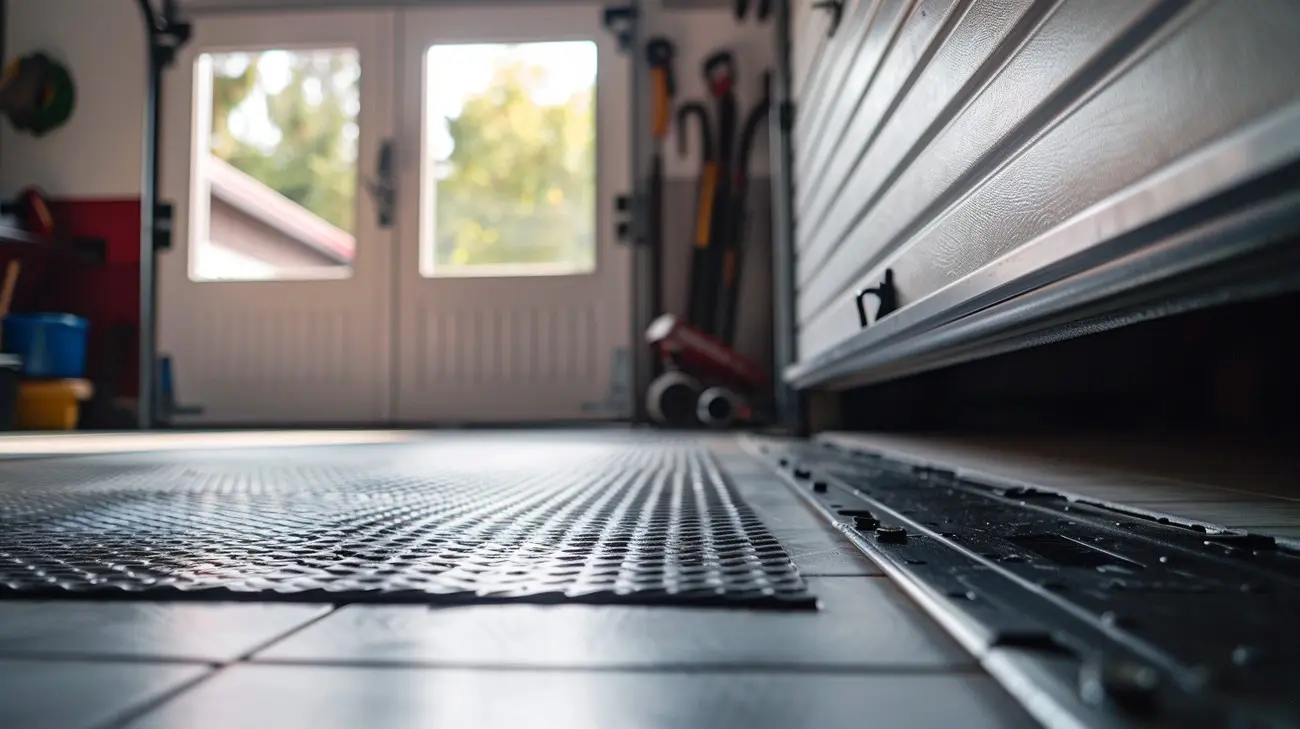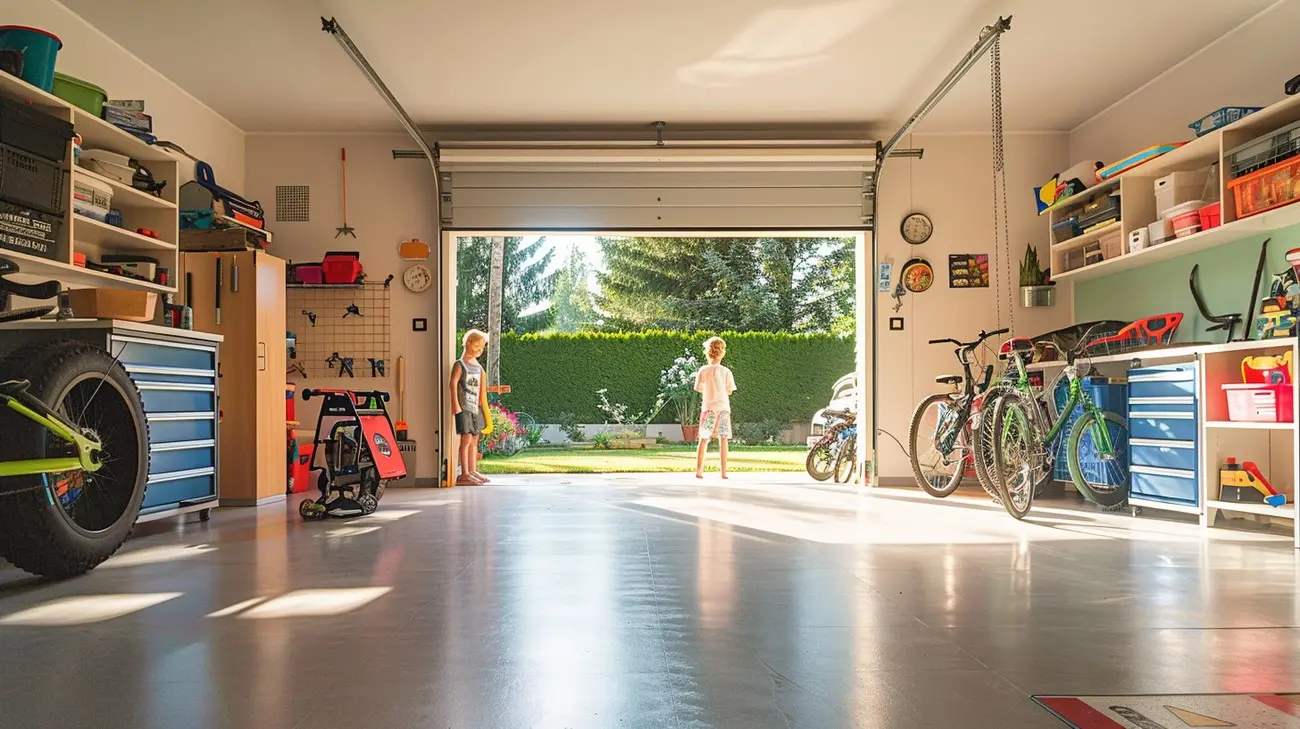
A metal garage door means steel or aluminum. Steel is heavier and stronger; aluminum is lighter and resists rust but dents more easily. Compare complete door construction and glazing; an aluminum frame with large glass panels is not automatically lighter than a steel door.
Steel vs aluminum
- Steel: available in different gauges (thicknesses); a lower gauge number means thicker steel, but whole-door strength also depends on its construction and reinforcement. More resistant to denting than aluminum, but can rust if the finish is damaged.
- Aluminum: lighter and rust-resistant, often used for full-view designs. The complete door weight and counterbalance determine opener requirements. Dents more easily than steel.
Both are recyclable, and many doors use some recycled material already.

Panel construction and insulation
Steel doors may have one exterior skin, a skin with backed insulation, or insulation between exterior and interior steel. Compare the complete configuration, glazing and seals. Insulation slows heat flow but does not make the garage soundproof or maintain room temperature.
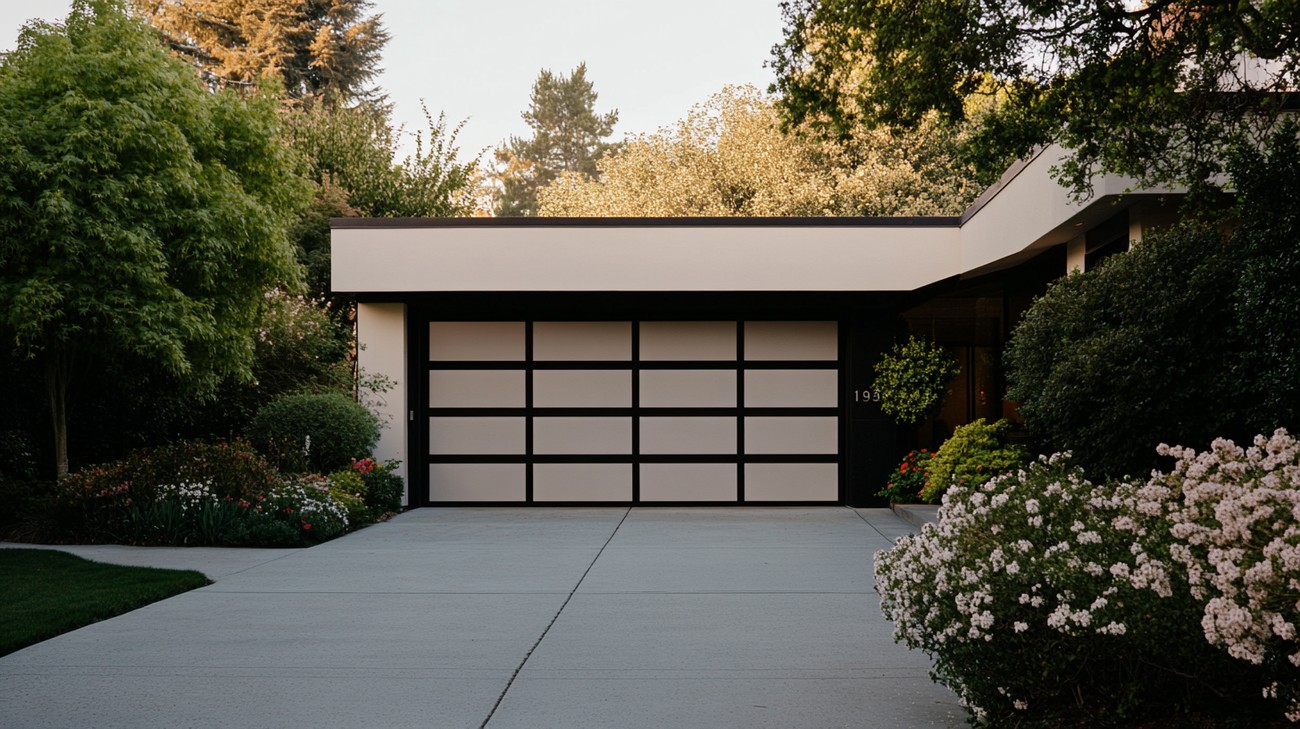
Upkeep
- Inspect periodically for rust, dents or wear.
- Hose down or wipe with a damp cloth to clear dust and grime.
- Use the model's maintenance instructions; do not adjust springs or cables.
- Have a technician inspect new binding, uneven movement or damaged hardware before continued use.

For a full look at steel specifically, including options and repair notes, see our steel garage door guide. Thinking about a new door? 1A Garage Doors gives free estimates on new doors. Call (916) 838-8182 or see our garage door installation page.

Share: