



When you think of home maintenance, garage doors might not be the first thing that comes to mind. However, a noisy garage door can be a tell-tale sign of underlying problems that, if left unattended, can lead to more significant issues down the line. Worry not, we've compiled an extensive guide on how to diagnose, fix, and maintain a noisy garage door to ensure smooth operation and quieter living.
Understanding the Noise Problem
Garage doors can become noisy over time due to a variety of reasons. Understanding what causes this noise is the first step toward finding a solution. These sounds can range from screeches and squeaks to grinding and rattling – each indicating different underlying issues.
Common Causes of Noisy Garage Doors
1. Poor Lubrication
One of the most common culprits behind a noisy garage door is poor lubrication. Without regular maintenance, components like the tracks, rollers, and hinges can wear out and lead to an unpleasant creaking noise.
2. Loose Hardware
Garage doors operate using numerous moving parts. Over time, vibrations caused by regular use can loosen bolts, screws, and nuts, leading to rattling sounds during door operation.
3. Worn-Out Rollers
Rollers guide the door along the track and are essential for smooth operation. Worn-out or damaged rollers can produce a grinding or squealing noise.
4. Unbalanced Door
An unbalanced garage door doesn't remain level when open or closed. This imbalance can cause undue stress on the opener and create a thumping noise.
5. Faulty Opener
Sometimes, the noise isn't from the door itself but from an aging or malfunctioning garage door opener. This is especially true if the noise seems to be emanating from the motor.
Troubleshooting and Fixing the Noise
DIY Fixes for Common Problems
Before calling a professional, there are several steps you can take to try and solve the noise problem yourself. Here’s a DIY guide:
Lubricate Moving Parts
Regularly lubricate the following components to keep your door quiet and smooth:
- Tracks and Rollers: Use a non-silicon-based lubricant designed for garage doors. Simply apply it to the tracks and the rollers.
- Hinges and Springs: Ensure that the metal parts move easily. Applying a light coat of garage-door lubricant can minimize noise.
Tighten Loose Hardware
- Inspect all the bolts, screws, and nuts on the door and the track. Using a wrench and screwdriver, tighten any loose components that may cause the rattling noise.
Replace Worn-Out Rollers
- If your rollers are past their prime, consider replacing them with quieter nylon rollers that require less maintenance than traditional metal ones.
When to Call a Professional
While many garage door issues can be resolved with some DIY determination, there are times when professional help is essential:
- Spring Tension Adjustments: Adjustments to the spring tension and door balance should always be handled by a professional due to the risks involved.
- Replacing Broken Parts: If key components like the spring or cable are broken, a professional should handle replacements.
- Advanced Opener Issues: If the motor or gear within the opener is faulty, it may require specialized tools and expertise beyond what’s available to most homeowners.
Maintaining a Quiet Garage Door
Regular maintenance can prevent future noise issues and extend the life of your garage door.
Scheduled Regular Maintenance
- Inspect your garage door monthly for signs of wear and tear. Look for rust, damage, or wear on all metal components.
- Schedule annual garage door services with a professional. This will include checking the door balance, spring tension, and lubrication needs.
Simple Maintenance Tips
- Clean Tracks: Dust and debris can accumulate in the tracks, creating drag and extra noise. Regularly clean tracks with a damp cloth.
- Weather Conditions: Extreme weather can cause metal parts to expand or contract, leading to noise. Ensure that your garage door's insulation can handle environmental challenges.

FAQ: Noisy Garage Door Repair
Why is my garage door making noise?
Garage doors can be noisy due to a variety of reasons such as worn-out rollers, loose hardware, or a lack of lubrication. Over time, the moving parts of a garage door may wear down, leading to friction and noise. It is crucial to conduct regular maintenance, like lubricating the hinges, springs, and tracks, to keep the door running smoothly and quietly. Ignoring these noises can lead to more significant issues down the line, potentially resulting in costly repairs.
How can I fix a noisy garage door on my own?
You can tackle some noisy garage door repairs by yourself, especially if you are comfortable with basic tools and repairs. Start by inspecting all moving parts like hinges, rollers, and tracks for signs of wear and tear. Tighten any loose bolts or screws, and apply a lubricant specifically designed for garage doors along the tracks, springs, and chains. However, it's essential to exercise caution and never attempt to adjust the torsion springs, as they hold a significant amount of tension and can be dangerous.
When should I call a professional for noisy garage door repair?
There are instances when calling a professional for noisy garage door repair is the safest option. If you have tried basic troubleshooting methods like lubrication and tightening screws, but the noise persists, it may indicate an underlying issue. Professional technicians have the expertise to diagnose and fix complex problems, such as those involving the garage door's opener, cables, or torsion springs, ensuring safe and efficient operation.
What types of noises indicate specific problems with my garage door?
Different noises can signal distinct issues with your garage door. A grinding noise usually points to worn rollers or unlubricated tracks. Popping or banging sounds might indicate issues with the springs, often due to them being worn or incorrectly adjusted. A rattling noise typically means that there are loose nuts, bolts, or rollers that need tightening or replacement. Listening to the type of noise your garage door makes can help in diagnosing the problem and deciding the appropriate repair action.
How often should garage door maintenance be performed to prevent noise?
Regular maintenance is crucial to preventing noise and ensuring the longevity of your garage door. It’s a good practice to perform a basic inspection and lubrication every three to six months. This should include tightening any loose hardware, cleaning the tracks, and lubricating all moving steel parts with a silicone-based lubricant. By maintaining this routine, you can significantly reduce the chances of unexpected noisy garage door repairs becoming necessary.
Will upgrading my garage door opener reduce noise?
Upgrading your garage door opener can indeed reduce noise, especially if your current opener is more than 10-15 years old. Newer models often come with quieter motors and improved technology that can significantly lower operational noise. Belt-driven openers are particularly known for their quiet performance compared to the traditional chain-driven openers. If noise reduction is a priority, consulting with a garage door specialist to explore modern opener options may be beneficial.
Is it cost-effective to repair a noisy garage door, or should I replace it?
Deciding between repairing or replacing a noisy garage door depends on the age and condition of the door. If the door is relatively new and the noise issue is minor, such as needing lubrication or minor part replacement, a repair is usually cost-effective. However, if the door and its components are old or have significant damage, replacement might be more economical in the long run. It's advisable to get a professional assessment to weigh the repair costs against the benefits of installing a new door.
What materials are best for a quiet garage door?
Garage doors made from certain materials can offer quieter operation. Steel doors, when insulated, can provide a quieter experience due to their substantial construction. Wooden doors also tend to absorb sound well, but they require more maintenance to prevent wear. Composite materials are often designed to offer the quietness of wood with the durability of steel, providing an optimal balance for many homeowners looking to minimize garage door noise.
Can weather affect the noise level of my garage door?
Yes, weather can influence the noise your garage door makes. Cold temperatures can cause metal parts to contract and become stiffer, often leading to increased noise. As a result, rollers and hinges may not move as smoothly and can create grinding or popping sounds. In these cases, ensuring your garage door is well-lubricated before the temperature drops can mitigate some of these noise issues. Conversely, high humidity can lead to the swelling of wooden parts, which may also contribute to a noisier operation.
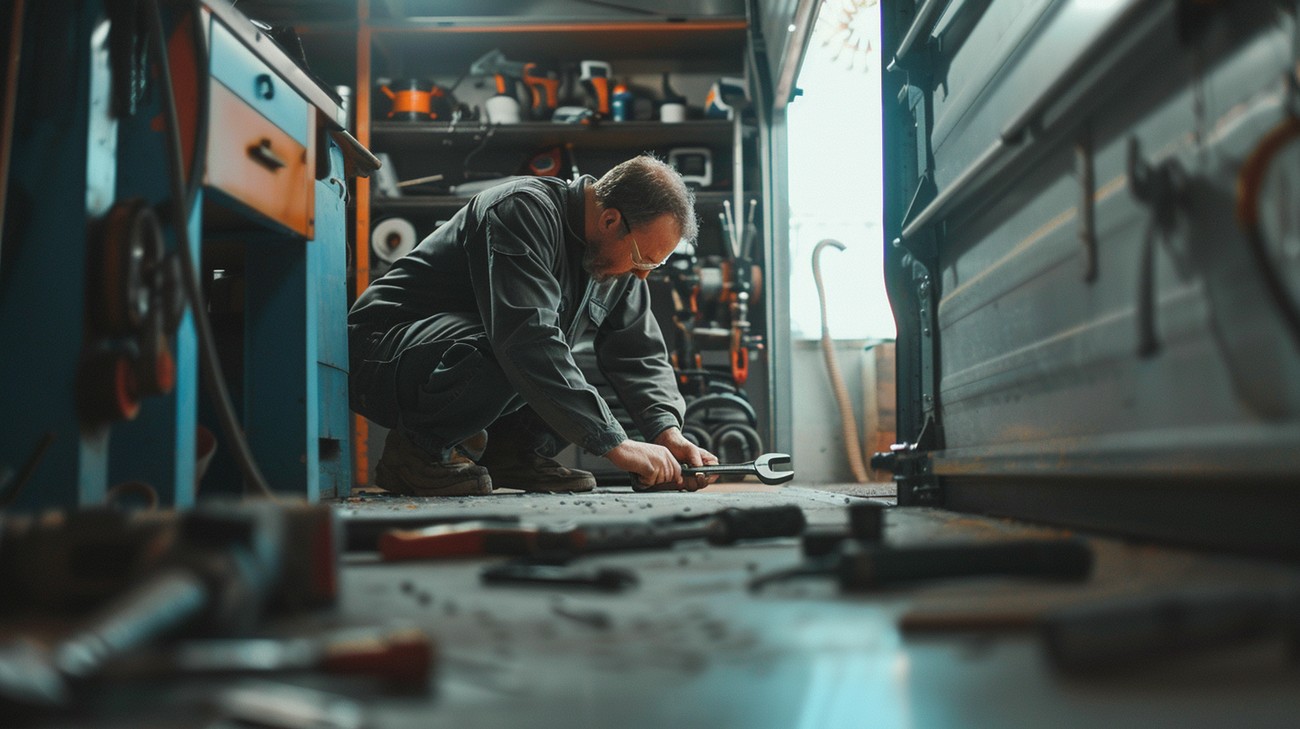
Troubleshooting Guide: Noisy Garage Door Repair
1. Grinding Noises
Symptoms: A harsh, metallic sound every time the door operates.
Likely Causes: Worn rollers or tracks, debris caught in the tracks.
Step-by-step Fixes:
- Inspect Rollers: Look for signs of wear or damage. If they're cracked or not rolling smoothly, they may need replacing.
- Clean Tracks: Clear out any debris lodged in the tracks using a damp cloth.
- Lubricate Rollers and Tracks: Use a silicone-based lubricant for a smoother operation.
- Test the Garage Door: Operate the door a few times to see if the noise persists.
When to Call a Professional: If the noise persists despite your efforts, or if you're unsure how to replace the rollers safely.
Prevention Tips: Regularly clean and lubricate rollers and tracks to prevent debris build-up and wear.
2. Squeaking Sounds
Symptoms: A high-pitched squeal throughout the door's operation.
Likely Causes: Dry metal parts, lack of lubrication.
Step-by-step Fixes:
- Identify the Source: Open the door manually to pinpoint where the squeak originates.
- Lubricate Moving Parts: Apply lubricant to the hinges, rollers, and springs. Avoid over-lubrication as it can attract more dirt and grime.
- Check Hinges: Tighten any loose screws or bolts.
When to Call a Professional: If lubrication doesn't resolve the issue or if hinges appear particularly worn or damaged.
Prevention Tips: Schedule regular lubrication sessions for all moving parts every few months.
3. Rattling Sounds
Symptoms: A rattling or clattering noise during operation.
Likely Causes: Loose hardware or components, such as bolts, nuts, and screws.
Step-by-step Fixes:
- Examine the Hardware: Check all the bolts, nuts, and screws.
- Tighten Loose Components: Use a wrench or screwdriver to tighten any loose parts.
- Check Mounts and Hinges: Ensure everything remains securely fastened.
When to Call a Professional: If tightening doesn't solve the noise or if you notice wear on major components that require specialized tools to replace.
Prevention Tips: Conduct a quarterly inspection and tightening session of all hardware and components.
4. Popping Noises
Symptoms: A loud popping sound when the door is in operation.
Likely Causes: Torsion spring issues or panel misalignment.
Step-by-step Fixes:
- Visual Inspection: Look for any visible gaps or misalignments in springs and panels.
- Check Spring Tension: Ensure the springs are balanced and not overly strained.
- Realign Panels: Adjust any misaligned panels, if comfortable doing so, or call a pro if this seems daunting.
When to Call a Professional: Immediately, if the spring seems out of tension. Springs under high tension can be dangerous.
Prevention Tips: Regularly check for alignment issues and seek spring maintenance from professionals annually.
5. Grinding or Straining Motor
Symptoms: Motor sounds like it's straining, producing an unusual buzzing or grinding noise.
Likely Causes: Obstruction in the tracks, motor gear issues.
Step-by-step Fixes:
- Check for Obstructions: Clear any debris from the tracks that might impede the motor.
- Inspect Power Supply: Ensure the motor has a stable power source and no loose connections.
- Test Motor Functionality: If the noise persists, the motor gears may need checking.
When to Call a Professional: If the motor noise doesn't resolve after clearing obstructions, or if you suspect motor components are damaged.
Prevention Tips: Keep the tracks clean and check the motor periodically for unusual wear or noises.
6. Bangs or Thuds
Symptoms: Sudden loud bangs when the door operates.
Likely Causes: Broken spring or door imbalance.
Step-by-step Fixes: When to Call a Professional: Always seek professional help for spring replacement or if the door feels unusually heavy or hard to balance.
Prevention Tips: Regular spring inspections by professionals can catch issues before they escalate.
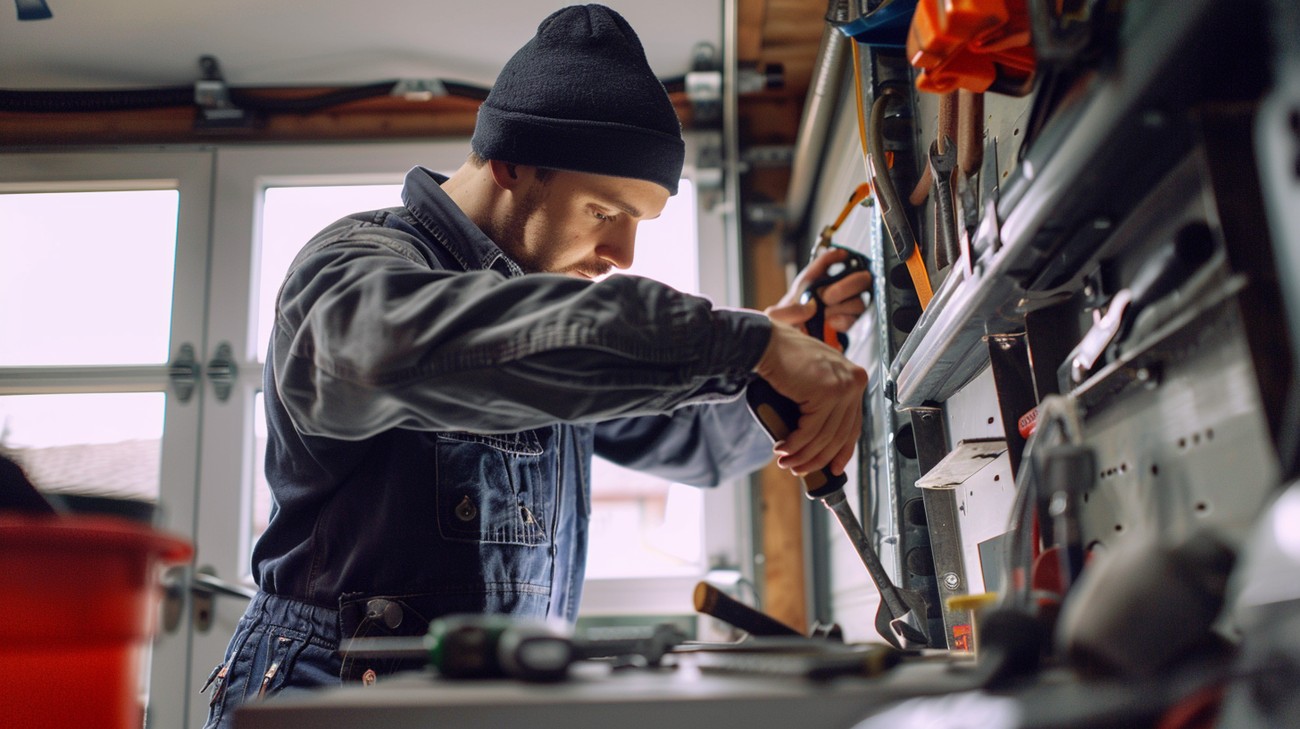
Final Thoughts
Addressing a noisy garage door can make a world of difference in your home's peace and comfort. Whether it's the result of worn-out parts, lack of lubrication, or misaligned tracks, taking the time to investigate and fix these issues can save you from unnecessary stress and potential damage down the road. Remember, a well-maintained garage door not only operates smoothly but also enhances your property's curb appeal.
If you're dealing with a noisy garage door or just want to keep things in top shape, we at 1A Garage Doors are here to help. Serving homeowners in Sacramento, CA, we offer expert service tailored to your specific needs. Don't hesitate to reach out for a consultation or to request a free estimate. Let us help you ensure that your garage door operates quietly and efficiently for years to come!


