A door that reverses before floor contact or will not close may have a sensor fault, binding hardware or a travel-setting problem. Blinking sensor lights can indicate obstruction, misalignment or wiring faults. Check accessible lenses and the model-specific indicator code first; persistent faults need diagnosis before parts are replaced.
Signs the sensors need attention
- The door starts closing, stops, and reverses before it reaches the floor.
- The door will not close at all, and the opener light blinks a set number of times.
- One or both sensor indicator lights are dark or blinking instead of steady.
- The problem only happens at certain times of day, which often points to direct sun on a lens.
What to check before you call
- Clear anything from the beam path between the two sensors.
- Wipe both lenses with a soft, dry cloth.
- Look at the brackets for anything bumped out of position. Do not force a bracket back into place; a bent bracket or track needs a technician.
- Check for wiring that looks chewed, cut or pinched.
If the light is still not steady after that, stop troubleshooting and book a visit instead of forcing the door or bypassing the sensors.
What a repair visit involves
- We test the sensors and the wiring run back to the opener.
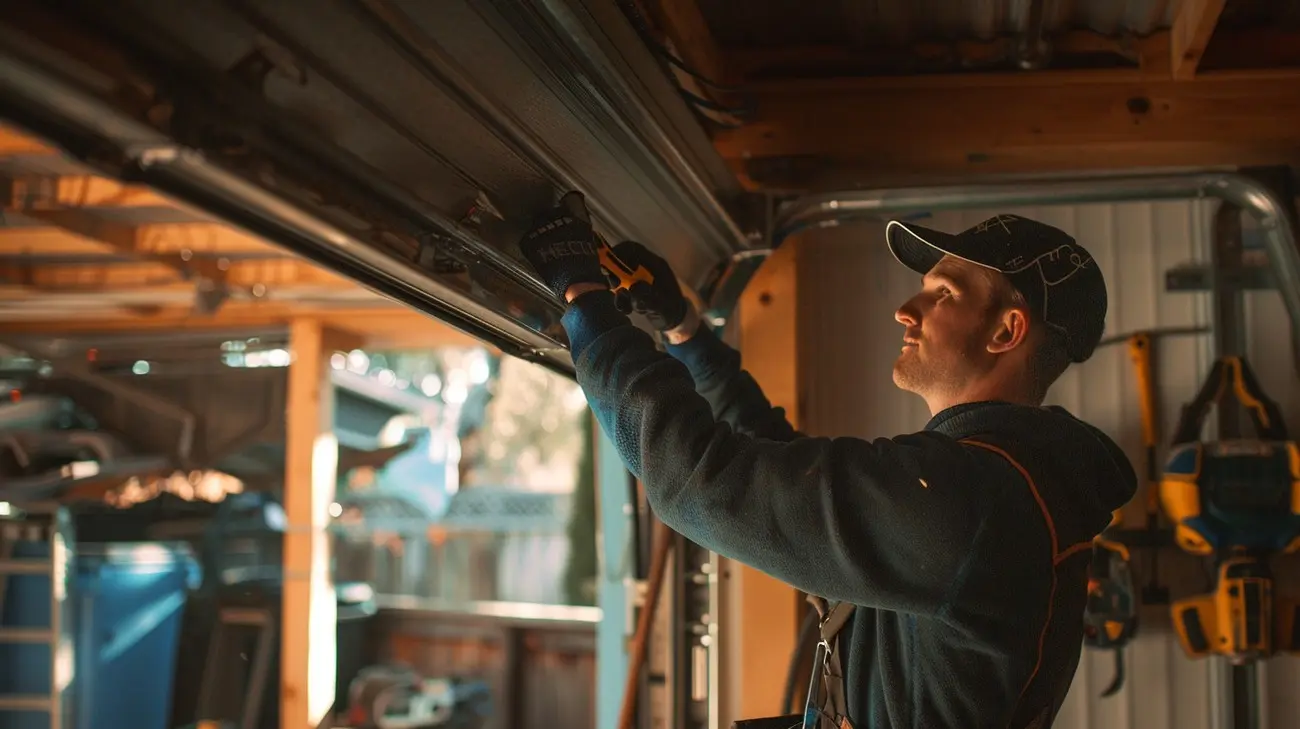
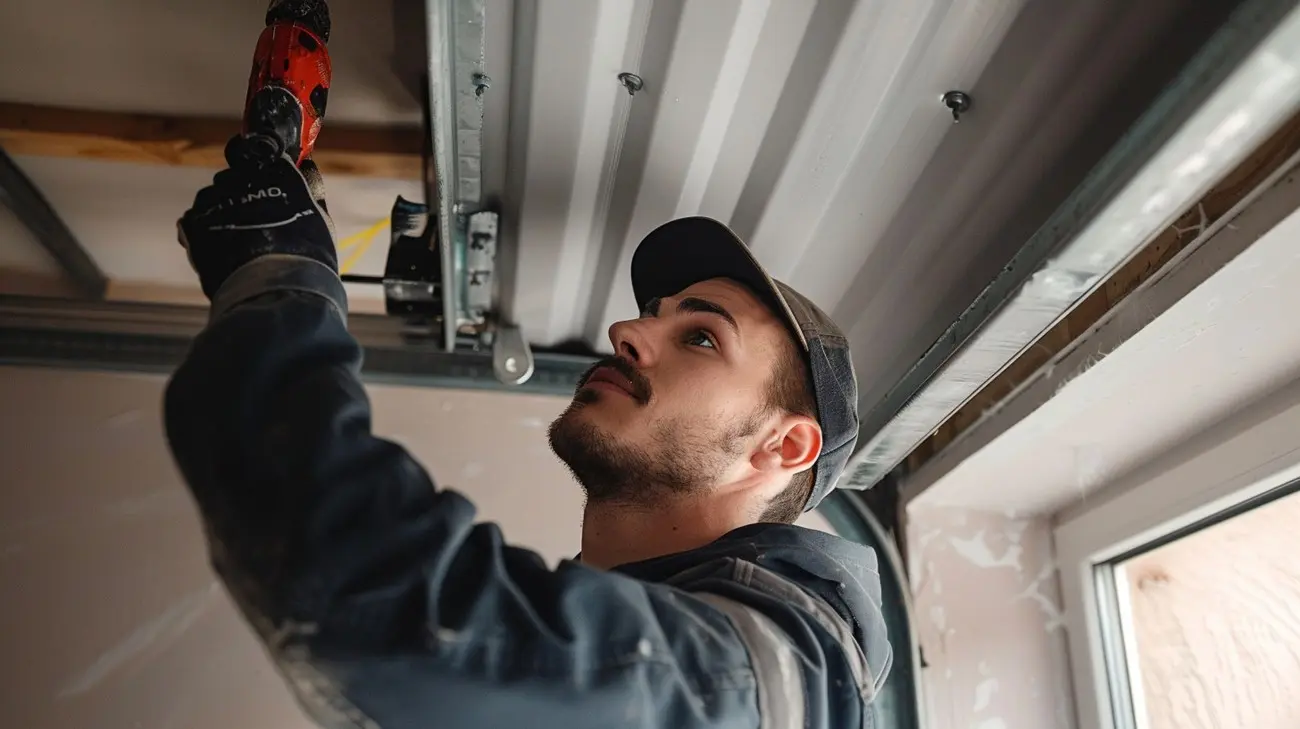
- We realign or replace whichever part failed and remount the brackets so they hold.
- We test the auto-reverse with an obstruction and check the door's force and limit settings, since those can also cause a reverse that looks like a sensor problem.
Repair and service visits carry a $45 diagnostic trip fee, and you approve a written price before we start work. See safety sensor service or call (916) 838-8182.
When repair is not enough
A failed or damaged sensor housing can need replacement. Damaged wiring may need a new wire run instead; if compatible sensors are no longer available, the opener itself may need replacement. When to replace instead of repair.
Repair questions
Can I repair a garage door sensor myself?
Cleaning, clearing obstructions and checking for obvious damage are safe for any homeowner. Realigning, rewiring or replacing a sensor is not something to guess at, since a misaligned sensor normally prevents closing, and both safety functions still need testing after work. How the sensors work.
How long does a sensor repair take?
That depends on what is wrong. We can tell you once we have tested the sensors and the wiring, and you will get a written price before we start.
Will a bad sensor stop my remote from working?
The remote and the sensors are separate systems, but a blocked or failed sensor stops the door from closing during normal remote operation, which can look like a remote problem.

Share: