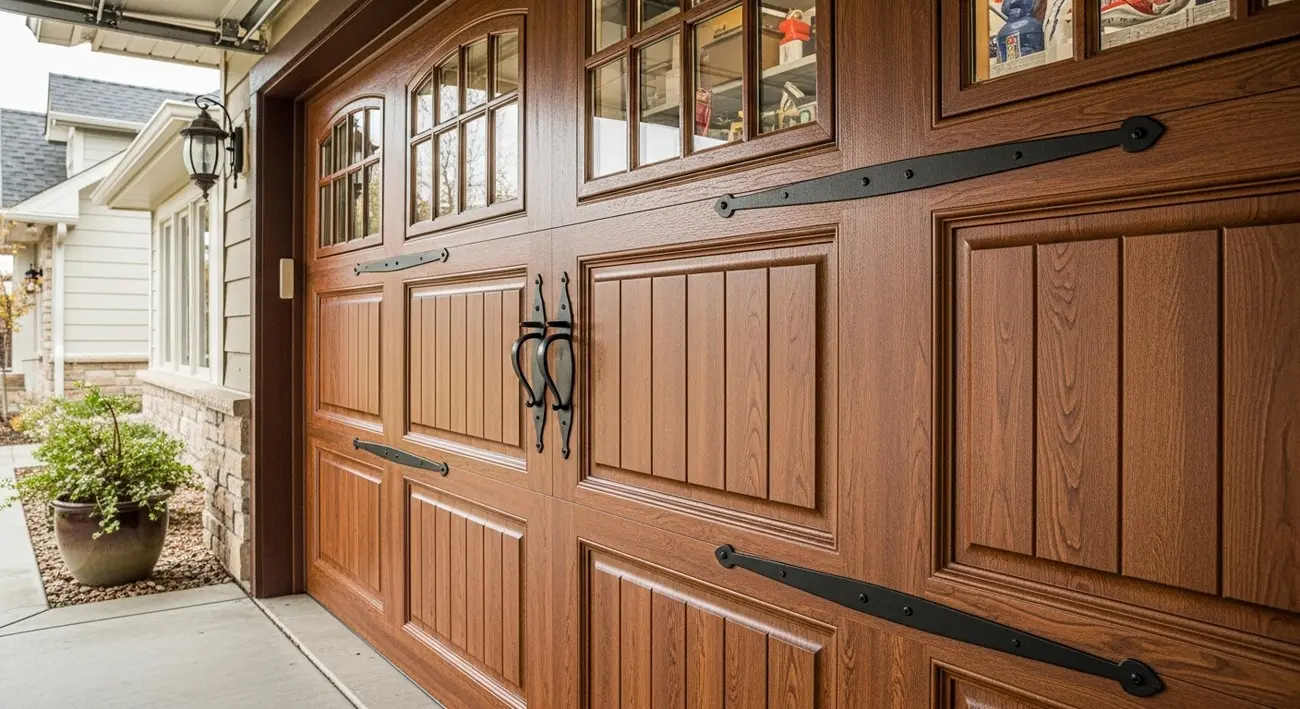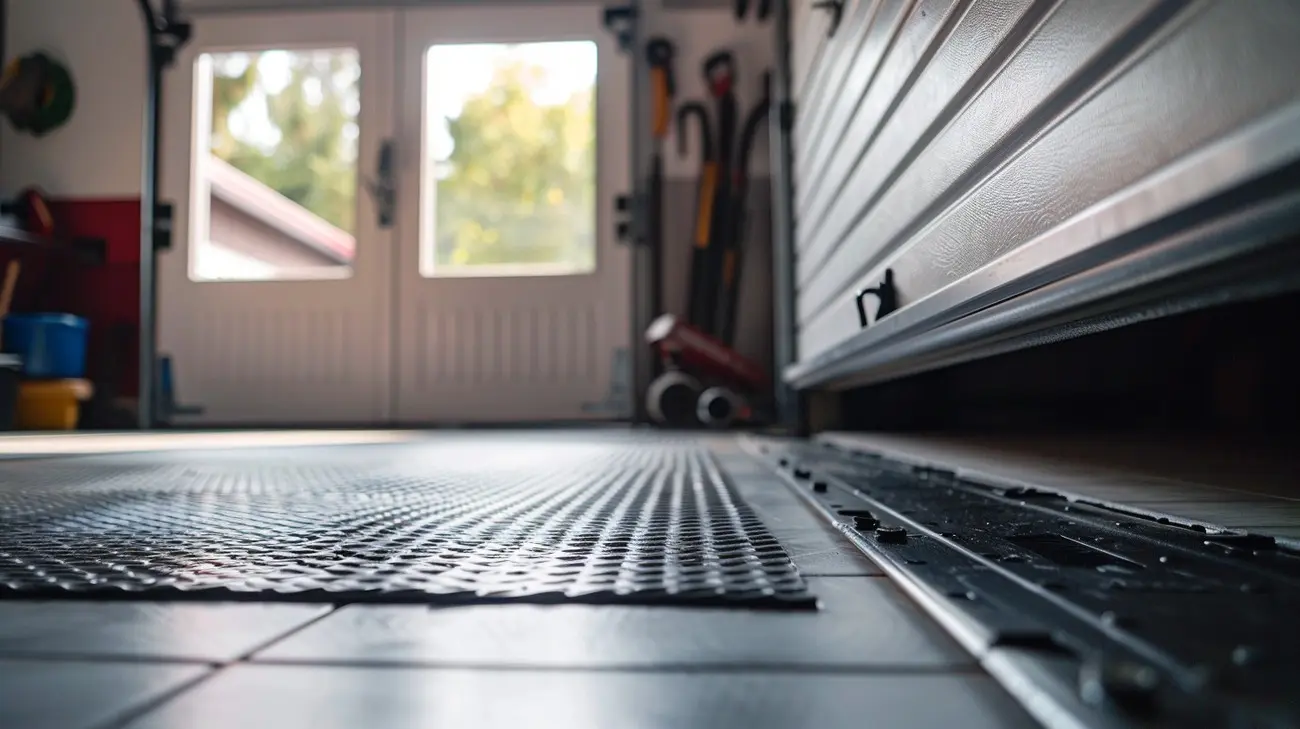
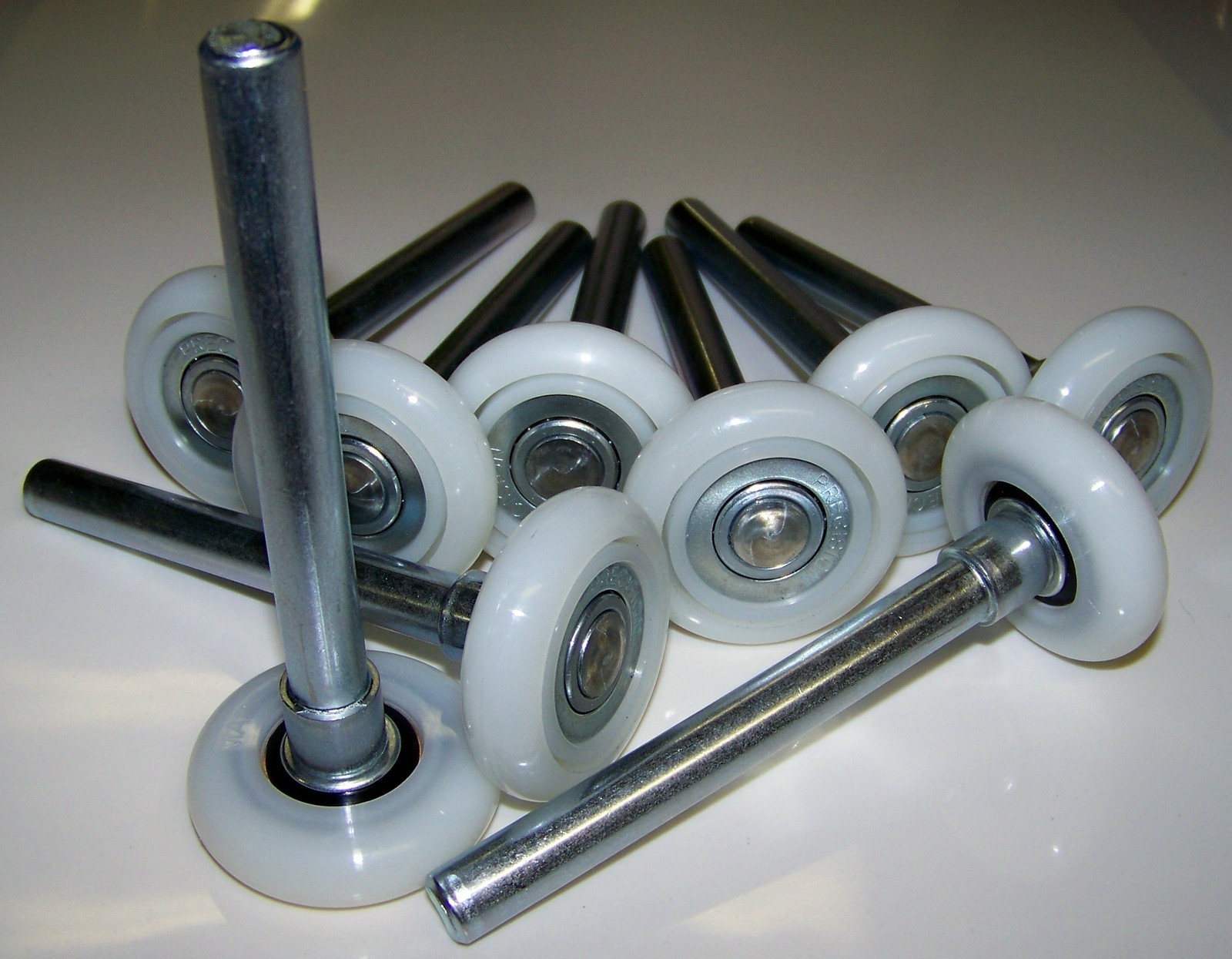
Garage door wheels are usually called rollers in the trade: the small wheels that ride in the track and guide the door up and down. They are made of steel, nylon or plastic, and usually show warning signs such as noise, slow movement or visible wear before they fail completely.
What's in a wheel assembly
- Wheel. The part that rolls inside the track.
- Stem. The metal rod that connects the wheel to the door.
- Bearing. Small balls inside better-quality wheels that reduce friction and smooth the ride.
Wheel sizes and how long they last
Residential rollers commonly fit nominal 2 inch track; heavier commercial doors may use 3 inch track. The actual wheel diameter is smaller than that nominal size. Match the wheel, stem length, load rating and track to your door. Service life depends on the roller rating, use and condition. See our garage door rollers guide for the full comparison of materials.
Signs your wheels need replacing
- Slow or jerky movement partway through the cycle.
- Grinding or squealing that gets louder over time.
- The door looks out of alignment, or a section rides out of the track.
Can you replace them yourself?
Have a technician replace rollers. Removing a hinge or bending track to release a roller can leave a heavy door unsupported. Bottom rollers sit in brackets connected to the lift cables; never loosen these brackets. You can inspect rollers from the floor for cracks, a tilted stem or a wheel outside the track, without moving the door.
Keeping them quiet
Keep tracks clean and dry. Lubricate only the bearings or stems specified by the door manufacturer; do not spray nylon wheel surfaces or sealed bearings.
Noisy or slow-moving wheels? Call (916) 838-8182, see off-track repair if a wheel has left the track, or book a tune-up to have every wheel and hinge checked.

Share: