
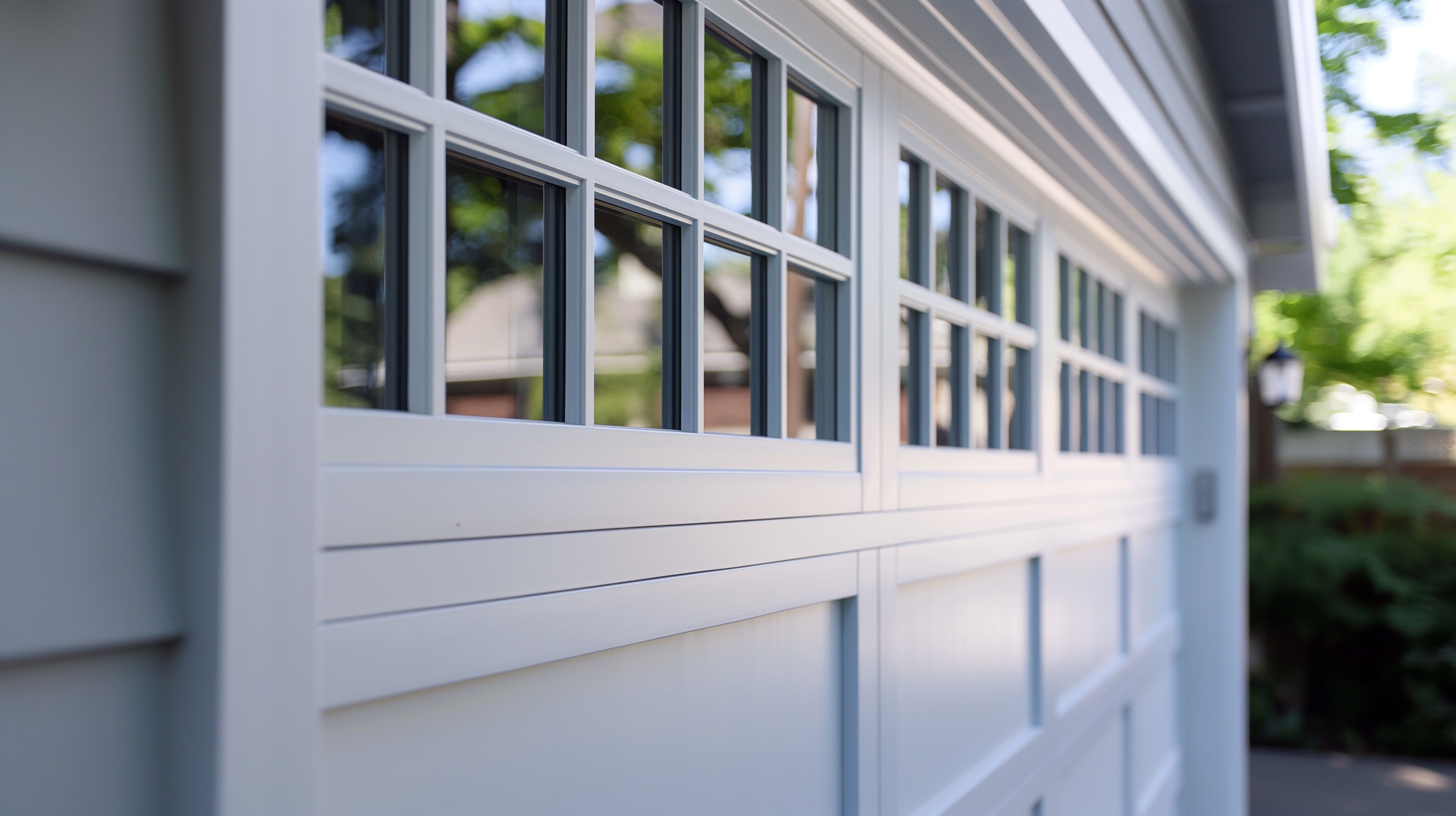
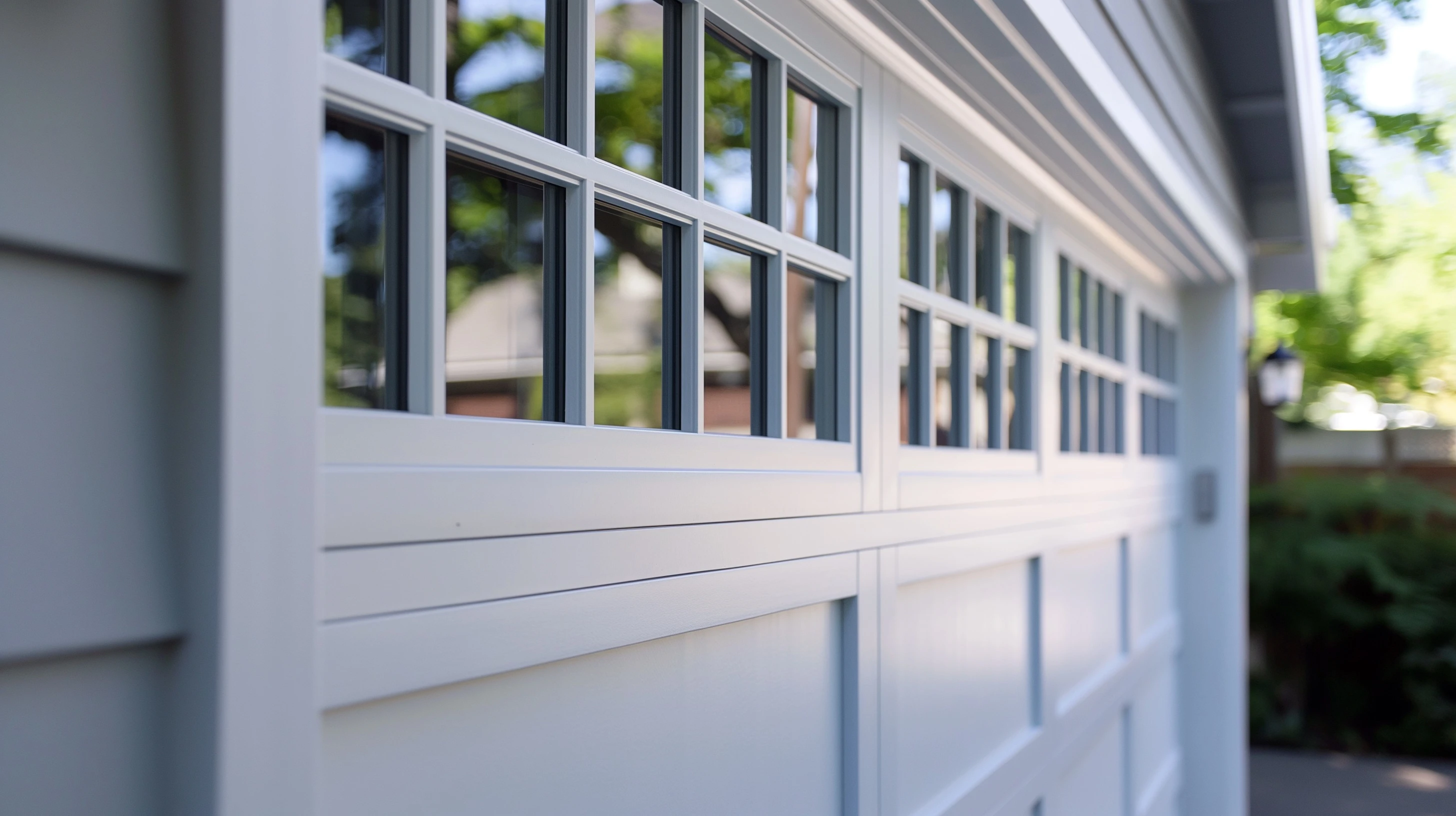
Garage door windows are glass or acrylic panels set into an otherwise solid door, usually across the top section, to bring in natural light without changing the door's basic construction. They come in dozens of styles and glass types, and the main trade-offs are privacy, security and insulation.
Styles
- Cathedral: arched panes for a classic look.
- Prairie or colonial: grid-divided panes for a traditional look.
- Obscure or frosted: lets light through while blocking a clear view in.
Materials
Tempered safety glass breaks into small fragments when it fails, but those fragments can still injure. Laminated glass uses an interlayer to help retain broken pieces. Availability depends on the door model; not every garage window uses safety glass. Acrylic (plexiglas) is lighter and more impact-resistant but scratches more easily. Insulated, double-glazed glass helps limit heat loss where that matters.
What you give up for the view
- Security: a window is a potential point of entry; tempered or impact-resistant glass and smaller panes reduce the risk.
- Privacy: frosted, tinted or obscure glass keeps the light without a clear view in.
- Insulation: a single pane will not insulate as well as a solid door section; double-glazed glass narrows that gap.
Adding windows to a door you own or buying new
Choose factory window options when ordering a new door. For an existing door, an installer should confirm an approved windowed section or retrofit before any cutting; added glazing can change weight, reinforcement and wind rating. For an existing door, see our window inserts guide. For a new door with windows already built in, see garage doors with windows, and for an all-glass door see glass garage doors.
Considering windows for your door? Call (916) 838-8182 or see garage door installation.

Share:


