
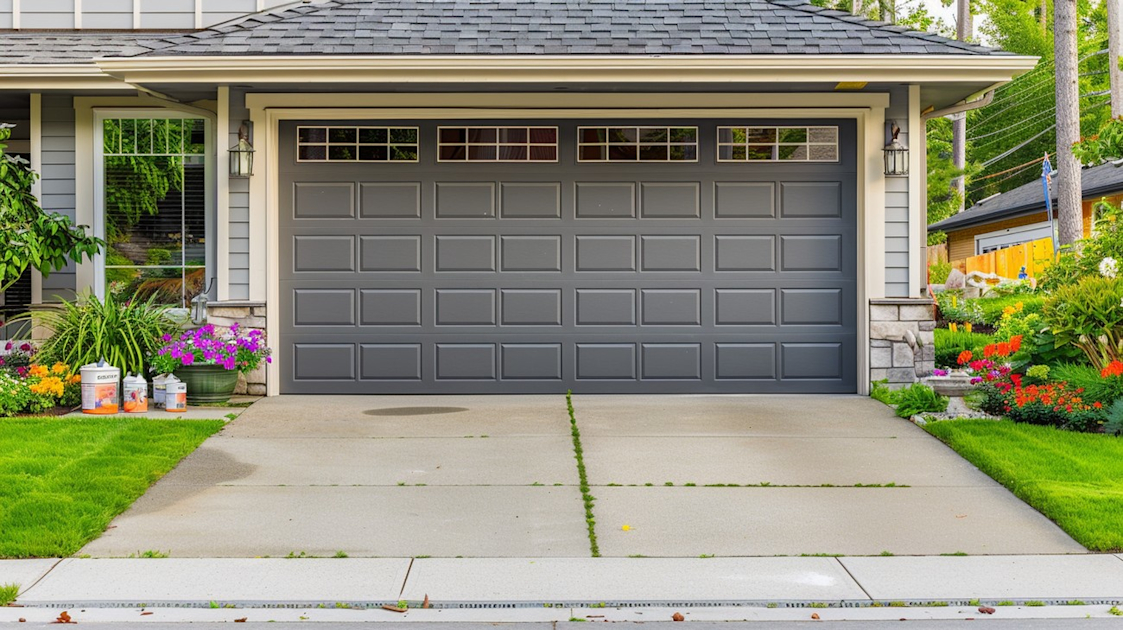


Painting your garage doors can transform the entire look of your home's exterior, giving it a fresh and updated appearance. While many homeowners consider this task daunting, it's entirely possible with the right approach and tools. This comprehensive guide will cover everything you need to know about painting garage doors, including preparation tips, the types of paint to use, and step-by-step instructions to ensure a professional finish.
Why Paint Your Garage Doors?
Garage doors are a significant component of your home's facade, often accounting for a large portion of what passersby see. Here’s why you might consider painting them:
- Boost Curb Appeal: A fresh coat of paint can dramatically enhance your home's look, making your property more attractive to potential buyers.
- Protect from Elements: Painting your garage doors adds a layer of protection against weather conditions, preventing rust, peeling, and other forms of wear and tear.
- Match Home's Aesthetic: If you've recently repainted your home or updated your landscape, matching your garage doors to the new aesthetic can unify your property's appearance.
Preparing to Paint Garage Doors
Proper preparation is crucial for a successful paint job. Here are the key steps to prepare your garage doors:
Assess and Clean
- Inspect the Surface: Look for signs of damage such as rust, peeling, or dents. Address these issues before proceeding.
- Deep Clean: Use a mixture of water and a mild detergent to thoroughly clean the garage doors. Removing dirt and grime ensures the paint adheres properly.
- Dry Completely: Allow the doors to dry completely to prevent moisture from causing adhesion problems.
Sand and Repair
- Sand the Surface: Use medium-grit sandpaper to sand the doors gently. This step is crucial in removing old paint and creating a smooth surface for the new coat.
- Fix Imperfections: Fill any dents or holes with a suitable filler and sand smooth once dry.
Choosing the Right Paint
Choosing high-quality paint is essential for durability and appearance. Here’s what to consider:
Paint Type
- Acrylic Latex Paint: This type of paint is highly recommended for garage doors. It offers excellent coverage, dries quickly, and is resistant to fading and weathering.
- Oil-Based Paint: While providing a durable finish, oil-based paints take longer to dry and are harder to clean up.
Color Selection
Opt for a color that complements your home’s exterior. Neutral tones are a popular choice for their versatility, but don’t shy away from bolder hues if you want to make a statement.
Tools and Materials Needed
Before starting your paint job, ensure you have all necessary tools and materials on hand:
- Paintbrushes and rollers
- Painter’s tape
- Primer (if the door is unpainted or you’re drastically changing colors)
- Drop cloths
- Sandpaper
- Cleaning materials, like sponges and buckets
Step-by-Step Guide to Painting Garage Doors
Follow these steps for a successful garage door painting project:
Step 1: Preparation
- Tape Off: Use painter’s tape to protect areas you don’t want to paint, such as handles or windows.
- Lay Drop Cloths: Protect the driveway and any plants near the garage.
Step 2: Apply Primer
If necessary, apply a coat of primer to ensure the paint adheres well. This step is especially crucial for metallic surfaces or if you're making a significant color change.
Step 3: Paint the Doors
- Start with Panels: Begin by painting the recessed panels with a brush. This ensures even coverage and prevents paint from pooling.
- Roll the Surface: Use a roller for the flat surfaces of the door. Work in sections, moving from top to bottom, to avoid streaks.
Step 4: Let It Dry
Allow ample drying time before applying a second coat if needed. Follow the manufacturer’s instructions for drying times.
Maintaining Painted Garage Doors
After investing the time and effort into painting your garage doors, maintaining them is important for longevity:
- Regular Cleaning: Wash your doors periodically to remove dirt and debris.
- Touch-ups: Keep extra paint for touch-ups to deal with chips and scratches.
- Inspect Annually: Check for signs of wear and address them promptly to maintain the appearance and protection.
FAQ: Can You Paint Garage Doors?
Can you paint garage doors by yourself?
Yes, you can absolutely paint garage doors yourself, even if you're not a DIY expert. The key is preparation and using the right materials. Start by thoroughly cleaning the door to remove any dirt and grime. Then, sand any rough spots and apply a suitable primer before painting. Choose a high-quality exterior paint, as it will withstand weather conditions better. Carefully follow instructions and allow adequate drying time between coats for a professional-looking finish.
What type of paint should I use for painting garage doors?
For painting garage doors, it's best to use high-quality exterior latex paint. This type of paint is ideal because it's durable, weather-resistant, and flexible, which helps it to expand and contract with the door's movement. If your garage door is metal, consider using a rust-resistant primer and finish to prevent corrosion. Always ensure the paint is compatible with the material of your garage door—wood, metal, or vinyl—and opt for a satin or semi-gloss finish that is easy to clean and maintain.
Is it necessary to prime garage doors before painting them?
Priming garage doors before painting is a recommended step. Priming helps the paint adhere better to the surface, especially if you're dealing with a metal door, which can be prone to rust. A primer will also provide an even base, cover up previous paint colors, and help your new color to pop. Use a primer suitable for the door material—metal, wood, or vinyl—and allow it to dry completely before applying the topcoat.
How do I prepare my garage door for painting?
Preparing your garage door for painting involves cleaning, sanding, and priming. Start by washing the door with mild soap and water to remove dirt. Rinse it well and allow it to dry completely. Next, sand any rough or peeling areas to smoothen the surface. Use painter's tape on any edges or areas you don’t want painted, such as handles or windows. Once the surface is smooth and clean, apply an appropriate primer to ensure better paint adhesion and longevity.
How long does it take to paint a garage door?
The time it takes to paint a garage door varies based on several factors, including door size, weather conditions, and drying time between coats. Generally, you can expect the actual painting process to take between 3-4 hours. However, preparation steps like cleaning and priming add extra time. Additionally, you should factor in at least a day or two for drying and curing time. For the best results, it's vital to allow each coat of primer and paint to dry fully before proceeding to the next step.
Can you paint a vinyl garage door?
Yes, painting a vinyl garage door is possible, but it requires special considerations. Use paint designed specifically for vinyl surfaces because it adheres better and can withstand the expansion and contraction that occur with weather changes. It's important to choose a lighter color that reflects heat, as dark colors can absorb heat and cause the vinyl to warp over time. Clean, sand lightly, and use a bonding primer before applying your paint to ensure a durable finish.
What are common mistakes to avoid when painting garage doors?
Common mistakes when painting garage doors include neglecting proper preparation steps, using the wrong type of paint, and painting in unfavorable weather conditions. Skipping cleaning or sanding can result in poor paint adhesion, peeling, and uneven finishes. Using indoor paint instead of exterior-grade paint compromises durability. Painting in very hot, cold, or humid conditions can ruin the paint job by affecting drying times and paint evenness. Taking the time to follow each step and choosing the right materials will lead to a successful painting project.
Step-by-Step Guide
Tools/Materials Needed
Before you begin, gather these materials to ensure a smooth process:
- Exterior latex paint or oil-based paint (suitable for metal or wood, depending on your door type)
- Primer (if necessary, see below)
- Paintbrushes (varied sizes for different areas)
- Paint roller and tray
- Sandpaper (120- and 220-grit)
- Wire brush (for metal doors)
- Scraper
- Painter's tape
- Drop cloths or tarps
- Mild detergent and sponge
- Bucket
- Ladder
- Screwdriver (for removing handles)
- Rust-inhibiting primer (for metal doors, if needed)
- Masking paper or plastic sheeting
Preparation Steps
Proper preparation can make or break your painting project. Let's get your garage door prepped:
- Inspect the Door: Check your garage door for any damage. Repair dents or replace any damaged parts.
- Clean the Surface: Mix mild detergent with water, and scrub the garage door using a sponge to remove dirt, grease, and grime. Rinse with a hose, then dry completely.
- Remove Hardware: Use a screwdriver to remove or cover handles, locks, and any other hardware with painter's tape to avoid painting over them.
- Tape and Protect: Use painter's tape to mask off areas you don't want to be painted, such as windows or edges. Lay drop cloths on the ground to protect from drips.
- Sand the Door: Sand wooden doors with 120-grit sandpaper to smooth surfaces and remove old paint. Use a wire brush or 220-grit sandpaper on metal doors to remove rust and scale.
- Apply Primer: If needed, apply a suitable primer. Use a rust-inhibiting primer for metal doors and let it dry according to the product's instructions.
Detailed Instructions
Ready to get painting? Follow these step-by-step instructions:
- Stir the Paint: Always stir your paint before using; inconsistent colors can result from skipped stirring.
- Start with the Details: Begin by painting the edges, frames, and small detailed areas using a brush. This ensures clean lines without roller marks.
- Use the Roller: Pour paint into the tray, then use a paint roller for larger sections. Work from top to bottom in consistent, even strokes. Apply thin coats to avoid drips and use long, smooth strokes for an even finish.
- Dry Between Coats: Allow drying time as recommended by the paint's label, typically a few hours. Drying time may vary based on temperature and humidity.
- Apply Additional Coats: After the first coat is dry, inspect the coverage. Apply a second coat for a solid and uniform finish.
- Finish the Trim: Use a brush to finish any corners or edges that the roller couldn't reach seamlessly.
- Remove Tape and Clean Up: Once finished, remove the painter's tape while the paint is slightly wet to avoid chipping, then clean your brushes and rollers with water (for latex paint) or paint thinner (for oil-based paint).
Tips for Success
- Temperature Matters: Avoid painting in direct sunlight or extreme cold. The best weather is mild temperatures with low humidity.
- Consistency Is Key: Apply even pressure with your roller and brush to ensure consistent texture.
- Test a Small Area: Test paint on a small, inconspicuous area to check for adhesion or unwanted texture changes.
What to Do If Something Goes Wrong
- Drips and Runs: Sand down the area where runs or drips occur once the paint dries, then repaint that section.
- Uneven Coverage: If coverage is patchy, apply additional thin coats until even. Avoid thick layers which can cause drips.
- Peeling or Bubbling: This might indicate trapped moisture. Sand down, allow the door to dry thoroughly, and repaint the affected area.
- Paint Not Sticking: Check your prep work. Ensure surfaces are clean and primed correctly. Remove the new coat, sand, and reapply primer and paint.
Common Mistakes to Avoid
Choosing the Wrong Paint
Choosing the right paint is crucial when painting garage doors, yet it's a common pitfall. People often use interior paint, thinking it will be cost-effective, or they simply pick the wrong type due to a lack of knowledge. Paint not designed for exterior surfaces won't withstand harsh weather conditions.
How to Avoid It: Always select a high-quality exterior paint that suits the material of your garage door—be it metal or wood. Look for paints specifically labeled for exterior use to ensure durability. Consult with a store specialist if you're unsure about your choice.
If You’ve Made the Mistake: If interior or incorrect paint has already been applied, you'll need to remove it. Sand down the surface to remove the old paint and apply the correct type of exterior paint to ensure longevity.
Expert Recommendation: Opt for an enamel-based paint that offers UV protection and resistance to peeling and fading.
Inadequate Surface Preparation
Skipping thorough surface preparation is a frequent error and the cause of many painting failures. A dirty or uneven surface will prevent the paint from adhering properly, leading to a blotchy finish or premature peeling.
How to Avoid It: Clean the garage door meticulously with a mixture of water and mild detergent, then rinse and let it dry. Sand any rough spots and consider applying a primer, especially if you're shifting to a drastically different paint color.
If You’ve Made the Mistake: If paint is already peeling or uneven due to inadequate preparation, strip the paint, clean the surface thoroughly, and start the process over with proper preparation.
Expert Recommendation: Always apply a primer suited to your door's material after cleaning and sanding. This will ensure the paint adheres properly and lasts longer.
Ignoring Weather Conditions
Weather conditions often get overlooked, leading to painting in inappropriate conditions that affect the drying process and final appearance. Painting in high humidity, direct sunlight, or very low temperatures can all cause issues.
How to Avoid It: Plan your painting project according to the weather forecast. Choose a dry day with moderate temperatures. Avoid painting in direct sunlight or if rain is expected within 24 hours.
If You’ve Made the Mistake: If your paint job has already been marred by adverse weather, you'll need to assess the damage once the door is dry. Peeling or bubbling paint should be sanded down and repainted on a more suitable day.
Expert Recommendation: Aim for temperatures between 50°F (10°C) and 85°F (30°C), with mild humidity for optimal conditions.
Failing to Protect Surrounding Areas
It’s easy to underestimate the importance of protecting the areas surrounding your garage door. Paint splatters on pathways and adjacent walls can create an unprofessional look and extra cleanup.
How to Avoid It: Use drop cloths, painter’s tape, and plastic sheeting to cover anything you don’t want painted. Spend extra time securing these materials to prevent them from moving during painting.
If You’ve Made the Mistake: For recent splatters, clean up immediately with water and a mild detergent before the paint dries. For dried paint, you may need to carefully scrape or sand the affected areas.
Expert Recommendation: Invest in quality painter's tape and take your time with the prep work. It’ll save you significant cleanup effort later.
Rushing the Process
Painting is an art that demands patience. Rushing leads to uneven coats and inconsistent finishes. Many people eager to complete the project overlook drying times between coats.
How to Avoid It: Follow the paint manufacturer's instructions for drying times strictly. Allow the recommended time for primer and each coat of paint to dry completely.
If You’ve Made the Mistake: If you notice streaks or uneven layers, consider lightly sanding the areas and applying an additional coat. Be patient this time and adhere to recommended drying times.
Expert Recommendation: Allocate more time than you think you’ll need. This ensures you don’t rush through critical steps like drying and touch-ups.
Overlooking Safety Gear and Equipment
Often, DIY painters ignore wearing safety gear, which increases exposure to fumes and debris. This can be both a health hazard and reduce your control while painting.
How to Avoid It: Wear a mask, gloves, and goggles to protect yourself from paint fumes and splashes. Ensure you have the appropriate brushes, rollers, and safety equipment to work efficiently and safely.
If You’ve Made the Mistake: If you’ve already painted without safety equipment and feel unwell, seek fresh air immediately and consult a doctor if symptoms persist.
Final Thoughts
You absolutely can paint garage doors, and with a little preparation and the right materials, you can transform the look of your home. It’s a fun DIY project that can enhance your curb appeal while also providing a protective layer against the elements. Just remember to choose weather-resistant paint and ensure you clean and prime the surface properly for the best results.
If you're feeling unsure about tackling this project on your own, or if you want a professional touch, we're here to help. At 1A Garage Doors, serving homeowners in Sacramento, CA, we can provide expert advice and assistance to ensure your garage door looks fantastic and lasts for years to come. Don’t hesitate to reach out to us for a consultation or a free estimate—we’d love to help you enhance your home’s exterior!


