
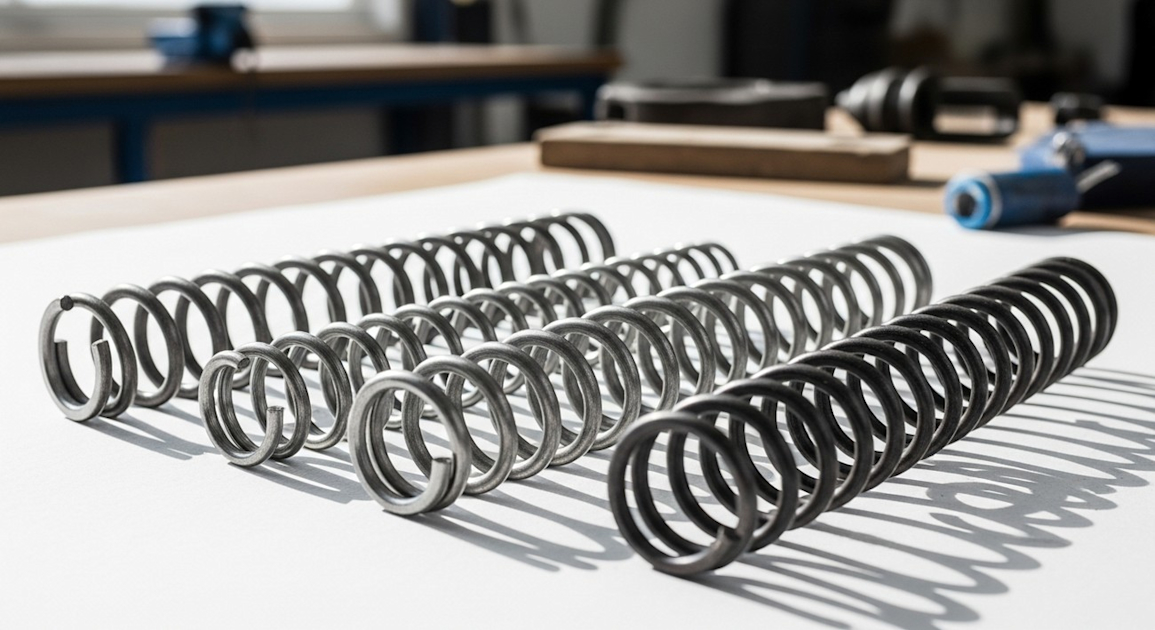


When it comes to various mechanical applications, extension springs are indispensable components that play a crucial role in functionality. In this article, we’ll dive deep into the world of extension springs, exploring what they are, how they work, and their applications, materials, manufacturing process, and more. Whether you’re a manufacturer, engineer, or simply curious, this comprehensive guide will provide you with valuable insights into extension springs.
What Are Extension Springs?
Extension springs are tightly coiled springs designed to operate with a tensile load. Essentially, these springs are meant to extend and absorb energy when pulled apart, returning to their original state when the load is released. They are coiled with hooks or loops at each end to facilitate attachment to other components.
How Extension Springs Work
The primary function of an extension spring is to store mechanical energy and apply a returning force when the spring is extended. The pre-load, or initial tension, on the spring ensures it's tightly coiled without any external force applied. When tension is applied, the spring stretches, storing potential energy, which is then converted back to kinetic energy as the spring returns to its natural length.
Key Components of Extension Springs
Understanding the key components of extension springs will help you appreciate their design and functionality:
- Wire Diameter: The thickness of the wire used in making the spring, which impacts its strength and load capacity.
- Coil Diameter: The diameter of the coils determines the space the spring will occupy and its fit in different applications.
- Free Length: The length of the spring when no tension is applied.
- Hook End Types: The various end styles like machine hooks, cross-center hooks, or full loops designed for specific applications.
Types of Hooks Used
Extension springs can have different hook designs based on application needs:
- Machine Hook: A standard option for quick attachment.
- Extended Hook: For scenarios needing further reach.
- Side Hook: Positioned at the spring end for special applications.
- Double Loop: Provides strength and durability in attachment.
Materials Used in Extension Springs
The choice of material significantly affects the performance of the extension spring. Here are some commonly used materials:
- High Carbon Steel: Suitable for general purposes, offering durability at an affordable cost.
- Stainless Steel: Ideal for high-corrosion environments, often used for marine applications.
- Phosphor Bronze: Known for good elasticity and corrosion resistance, typically used in electrical applications.
- Music Wire: Offers high tensile strength, perfect for dynamic applications.
Manufacturing Process of Extension Springs
The production process of extension springs involves several stages to ensure they meet quality standards and performance criteria:
- Coiling: Helical coiling of the wire into the desired shape.
- Heat Treatment: Increases strength and resets the material properties after coiling.
- Surface Treatment: Processes like painting, galvanizing, or plating to enhance durability.
- Testing and Quality Control: Includes load testing and dimensional inspection to ensure the product meets specifications.
Applications of Extension Springs
Extension springs are used in a myriad of applications across various industries, including:
- Automotive Industry: In cars, suspension systems, and seat assemblies.
- Aerospace: To maintain tightness in aircraft controls and components.
- Medical Devices: In hospital beds, stretchers, and mobility aids.
- Electrical Devices: For tension-based mechanisms in switches and connectors.
- Agricultural Machinery: In gates and closure systems to apply balanced loads.
Benefits of Using Extension Springs
Extension springs offer numerous advantages, making them a preferred choice in many settings:
- Versatility: Suitable for a wide range of applications due to various designs and materials.
- Space Efficiency: Minimal space required for storage and installation.
- Cost-Effective: Economical manufacturing processes keep costs manageable.
- Durable: Long-lasting with minimal maintenance needs.
Customizing Extension Springs
While standard sizes are available, customization options allow engineers to design extension springs for specific needs. Factors to consider include:
- Tailored lengths and coil diameters
- Special hook or loop designs
- Different materials and finishes
- Pre-load adjustments
Choosing the Right Extension Spring
Selecting the right extension spring for your application ensures optimal performance and safety. Consider the following:
- Load and Deflection Needs: Understand the specific force requirements of your application.
- Working Environment: Consider factors like temperature, humidity, and exposure to chemicals.
- Life Expectancy: Analyze the anticipated stress cycles for longevity.
Maintaining Extension Springs
Proper maintenance extends the life of extension springs. Consider the following practices:
- Regular inspection for corrosion or wear.
- Lubrication protocols to avoid rust and ensure smooth operation.
- Replacement of worn-out springs to prevent failure of applications.
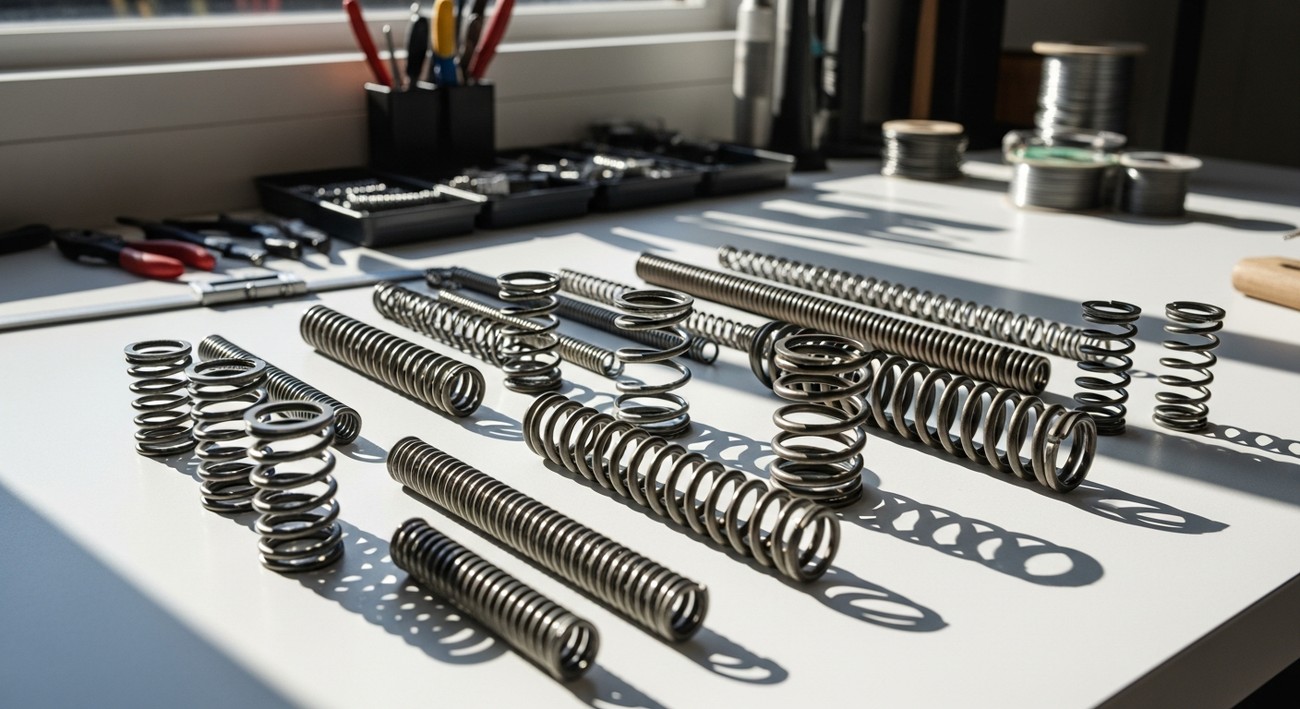
Frequently Asked Questions About Extension Springs
How do extension springs function?
Extension springs are tightly wound coils designed to operate with a tension force. When these springs are attached to components, they work by extending when the force is applied and return to their coil shape upon release. This extension capability allows them to create a pulling force between two connected parts, making them critical in various applications like automotive suspensions or trampolines. These springs typically have hooks or loops on either end to attach to the relevant components.
What are some common uses for extension springs?
Extension springs find usage in a multitude of industries due to their ability to provide precise, controlled tension. Common applications include garage door assemblies, automotive seat supports, and various household tools like pliers and nail guns. Additionally, they are integral in washing machines, helping to stabilize and balance the drum. Due to their versatile function, extension springs are present in both industrial machinery and domestic appliances.
What materials are used to manufacture extension springs?
Extension springs can be constructed from a variety of materials, each selected based on the specific requirements of the application. Common materials include stainless steel and high-carbon steel due to their durability and corrosion resistance. Other materials like copper, phosphor bronze, or nickel alloys might be used when higher conductivity or specific non-magnetic properties are required. The chosen material ensures that the spring meets the demands of the operational environment it will endure.
How do you measure extension springs?
To measure extension springs accurately, you’ll need to determine the outer diameter, wire diameter, coil count, and free length. The outer diameter is the overall width, while the wire diameter is the thickness of the wire used in the coil. The coil count refers to the total number of coils in the spring. Lastly, the free length is measured from end to end of the spring without any load applied. These measurements are crucial when you need to replace or custom-design an extension spring.
What factors should you consider when selecting extension springs?
Selecting extension springs involves accounting for several key factors to ensure optimal performance. First, consider the working load—the amount of force the spring is expected to handle. Next, evaluate the required spring rate, which defines how much force is needed to extend the spring by a given amount. You should also assess the environmental conditions, including temperature and humidity, to choose the right material. Additionally, the spring’s dimensions must align with the spatial constraints of your application.
Can extension springs be custom-designed?
Yes, extension springs can be custom-designed to meet the precise specifications of any project. Customization options include variations in length, diameter, coil configuration, hook or loop style, material, and finish. Engineers can work with manufacturers to co-design a spring that fulfills specific load requirements or fits unique spatial parameters. Custom extension springs are essential when off-the-shelf options do not meet strict standards or special functionalities.
How do environmental conditions affect the performance of extension springs?
The performance of extension springs can be significantly impacted by environmental conditions. High humidity or moisture levels may lead to corrosion, especially if the spring is made of materials not resistant to rust, like plain steel. Extreme temperatures can also affect the elasticity and tensile strength of the spring, potentially leading to deformation or failure. To mitigate these effects, selecting materials with inherent resistance to specific environmental challenges is crucial, such as stainless steel for corrosion resistance or certain alloys for high-temperature environments.
What maintenance is required for extension springs?
The maintenance of extension springs primarily involves regular inspection and monitoring for wear, corrosion, or fatigue. Depending on the operating conditions, the springs might need lubrication to prevent friction wear or rust inhibitors if exposed to moisture. Regularly check the hooks or loops at the ends to ensure they are not bent or damaged, as this can compromise the spring's functionality. Keeping a periodic maintenance schedule ensures the reliability and longevity of extension springs in their applications.
How do you know if an extension spring is failing?
Identifying a failing extension spring typically involves observing changes in its physical condition and performance. Common signs include irregular or excessive stretching, difficulty in retracting to the original length, or a visible change in shape, such as bending or coil deformation. Additionally, you might notice corrosion or rust on the spring surface, which can compromise its structural integrity. Regular inspections can help detect these issues early, enabling timely replacements to avoid operational failures.
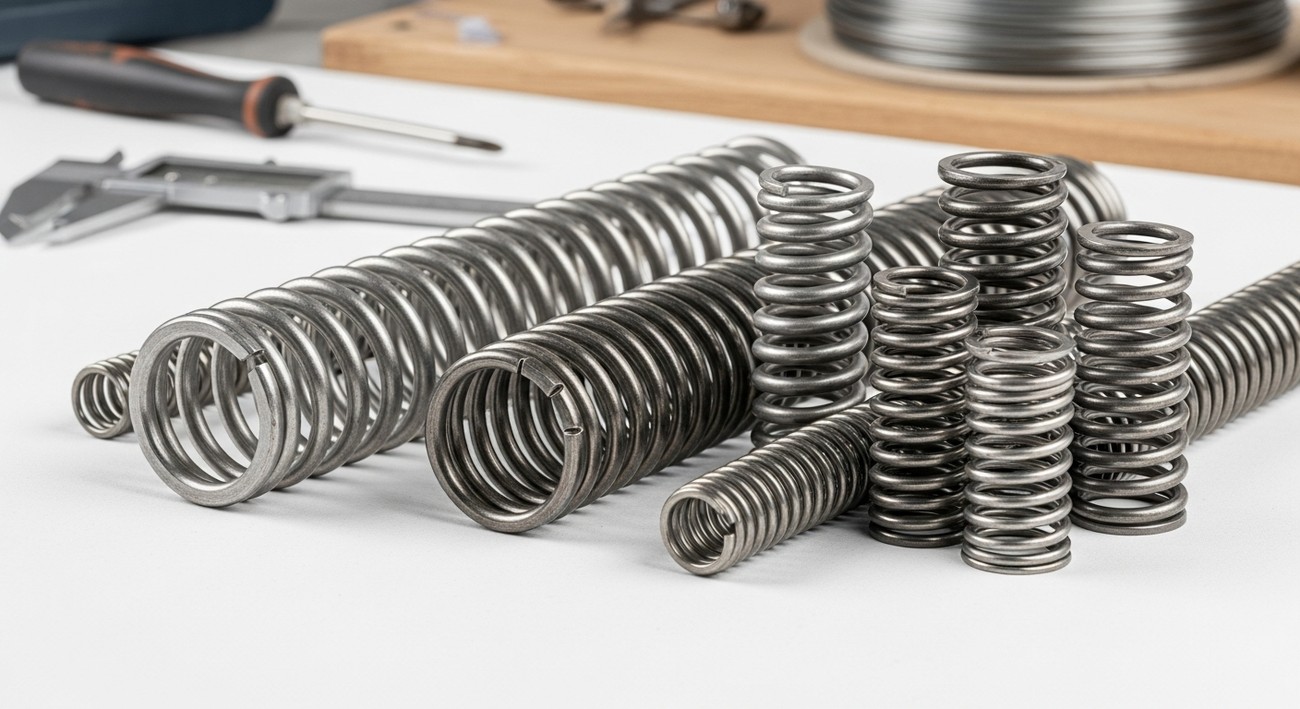
Pros & Cons of Extension Springs
Pros
Versatility
Extension springs are one of those components that seem to be everywhere once you start looking. You’ll find them in everything from your treadmill to your garage door. Their ability to store energy and exert a pulling force makes them incredibly versatile. They come in handy for numerous applications across different industries, such as automotive, aerospace, and even in household items. Pretty impressive, right?
Energy Storage
When you pull these springs apart, they store energy. This stored energy is then released when the springs retract. It's like having a mini energy powerhouse in a spring! This feature is particularly advantageous in applications that require controlled energy release—think trampolines where they help with that extra bounce, or gym equipment that gives you resistance while working out.
Customizability
These springs are insanely customizable. Whatever your needs—different materials, a wide range of lengths, or varied coil diameters—you can find an extension spring suited to your requirements. This tailor-fit capability ensures that they can be manufactured to meet specific demands, which is a lifesaver in specialized machinery or projects with unique specifications.
Durability
Extension springs are built to last. Made from sturdy materials like steel, they withstand substantial amounts of stress and offer impressive longevity. Whether they’re holding components in place or managing mechanical movements, their durability ensures you won’t need to replace them frequently, saving you time and money.
Cost-Effective
If you're budget-conscious, you'll appreciate that extension springs are usually more affordable than their mechanical counterparts designed to perform similar functions. Their relatively simple design and readily available materials help keep the costs down. Because you get durability and versatility at a lower price point, they offer great value for your buck.
Cons
Limited Stretching
While extension springs are designed to stretch, there are limitations. Overstretching them could lead to permanent deformation, reducing their effectiveness. This risk means it's essential to choose a spring that’s well-suited to the anticipated loads and movements. It’s a bit of a balancing act; you need to make sure you’re not asking too much of them.
Sensitivity to Corrosion
Despite their sturdy nature, many extension springs are prone to corrosion if not made from stainless or coated materials. Exposure to moisture or corrosive environments can lead to rust, compromising their performance and longevity. If you're planning on using them in such conditions, it’s crucial to consider a corrosion-resistant material.
Noise Factor
They’re not the quietest components. When they move or experience force changes, they can produce noise. In applications where silence is essential, this can become bothersome. Imagine a creaky garage door or noisy gym equipment—it’s definitely something to consider if peace and quiet are a priority.
Maintenance and Inspection
Even the hardiest extension springs require some level of maintenance and regular inspections to ensure they’re in top shape. Monitoring for signs of wear and tear or deformation can be a bit labor-intensive. This extra maintenance workload might not appeal to everyone, especially if resources and time are tight.
Safety Concerns
There are safety issues to be aware of as well, especially in high-tension applications. If an extension spring fails or snaps, it can potentially cause injury or damage. Implementing protective measures or housing the springs properly can mitigate these risks but may add complexity to your project.
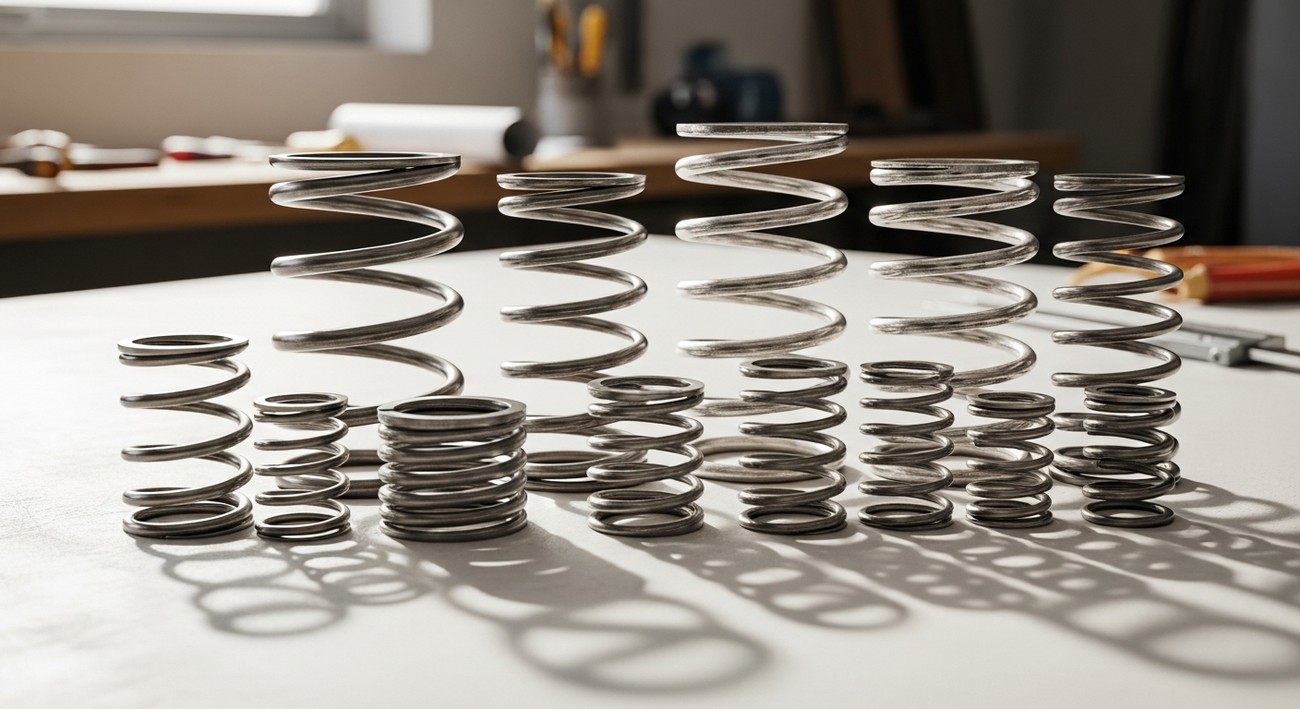
Final Thoughts
Understanding the role of extension springs in your garage door system is crucial for ensuring safe and reliable operation. They play a significant part in counterbalancing the weight of the door, allowing for smooth opening and closing. Keeping them well-maintained not only prolongs their lifespan but also prevents the risk of potential accidents.
If you’re in the Sacramento, CA area and are experiencing issues with your garage door, we encourage you to reach out to us at 1A Garage Doors. Our team of trusted local experts is ready to help with everything from inspections to replacements, ensuring your extension springs and garage door are in top condition. Get in touch with us today to schedule a consultation or request a free estimate!


